Post
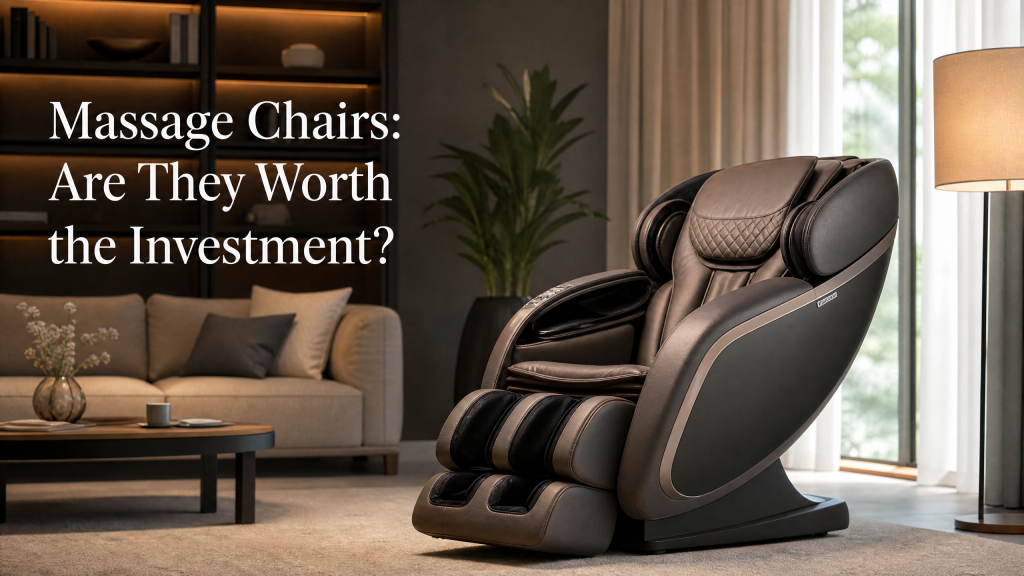
Massage Chairs: Are They Worth the Investment? A Detailed Review
Jun
“`html
Massage Chairs: Are They Worth the Investment? A Detailed Review
Massage chairs represent one of the more significant discretionary furniture purchases available to consumers, with prices ranging from a few hundred dollars for entry-level models to ten thousand dollars or more for premium full-body systems. Before making such a substantial investment, it is natural to want to understand exactly what you are getting, whether the health benefits are real, and how to tell the difference between genuine quality and marketing hype. This detailed review provides an honest assessment of massage chairs, their benefits, their limitations, and what to look for when shopping.
How Massage Chairs Work
Modern massage chairs use a combination of mechanical components to simulate the techniques of human massage. Rollers are the core mechanism — they move along tracks within the chair’s back panel and apply pressure to the muscles of the back and sometimes the neck. The pattern, intensity, speed, and coverage area of these rollers determine much of the chair’s therapeutic value.
S-track and L-track roller systems define the range of the massage coverage. S-track systems follow the natural S-curve of the spine from the neck to the lower back. L-track systems extend further, continuing beneath the seat to address the glutes and upper hamstrings — an area that is significant for lower back pain sufferers. Premium chairs may offer 3D or 4D roller systems, where the rollers can also protrude outward from the track to varying degrees, allowing for adjustable massage depth and a more nuanced, human-like quality of pressure. The “4D” designation often refers to variations in speed and rhythm, adding another layer of realism to the massage experience.
Air compression systems use inflatable airbags positioned throughout the chair to apply squeezing and releasing pressure to the shoulders, arms, calves, and feet. This component helps improve circulation and reduce the sensation of tightness in the compressed areas. Heating elements are commonly included to warm the back and lumbar area, which helps relax muscles before and during the massage sequence. Some advanced chairs also incorporate heat into the leg or foot areas, enhancing overall relaxation and therapeutic effects.
Decoding Massage Techniques and Programs
Beyond the mechanical components, the programming of a massage chair dictates the specific types of massage you will experience. High-end chairs offer a wide array of techniques and pre-set programs designed to target various needs. Understanding these can help you choose a chair that best suits your preferences:
- Kneading: Simulates thumbs or palms pressing and circling, ideal for deep muscle relaxation and tension relief.
- Tapping/Percussion: A rhythmic tapping or pounding motion that invigorates muscles and promotes circulation.
- Rolling: Rollers move up and down the spine, gently stretching muscles and relieving pressure.
- Shiatsu: Originating from Japan, this technique uses rhythmic pressure and stretching, focusing on acupressure points to balance the body’s energy.
- Swedish: Characterized by long, flowing strokes, kneading, and circular movements, designed for overall relaxation and improved blood flow.
- Stretching Programs: Utilizing airbags and reclining motions, these programs gently stretch the body, often targeting the back, hips, and hamstrings, similar to yoga poses.
- Reflexology (Foot Massage): Specialized rollers and airbags in the footrests target pressure points on the soles of your feet, providing comprehensive foot relief.
Most chairs include pre-programmed sessions (e.g., “Relax,” “De-Stress,” “Stretch,” “Full Body,” “Lower Back Focus”) and also allow for manual control to customize specific techniques, intensity, and speed to your liking. This versatility ensures that you can always find a program to match your mood or therapeutic need.
The Real Health Benefits
The research on massage therapy is genuinely supportive of its health benefits, and massage chairs can deliver some of these benefits, particularly for people who cannot access regular professional massage. Multiple studies have demonstrated that massage therapy reduces cortisol levels and increases serotonin and dopamine, with corresponding improvements in mood and stress levels. Regular massage has been shown to reduce muscle tension, improve circulation, decrease the perception of pain, and improve sleep quality.
For people with chronic back pain, regular use of a quality massage chair has been reported by many users to provide meaningful relief. It is important to be clear that a massage chair is not a medical device and cannot treat underlying structural conditions such as herniated discs or spinal stenosis. For these conditions, professional medical care is necessary. However, for the muscular tension and fatigue that accompanies many back conditions, massage chair therapy can be a useful complementary approach. Incorporating a massage chair into your routine can be a proactive step towards better overall wellness and effective pain management for non-structural issues.
What the Best Chairs Have in Common
Quality massage chairs share several characteristics. The roller track system should cover a generous range of the back, from the upper cervical region to at least the lumbar area. The roller width adjustment — allowing you to narrow or widen the distance between the two rollers to better match your specific spinal width — is a feature that significantly improves the precision and comfort of the massage. Zero gravity positioning, which reclines the chair so that your legs are elevated roughly to heart level, distributes body weight optimally and can significantly enhance the perceived intensity and comfort of the massage.
Body scanning technology, found in most quality chairs, uses initial roller passes to map the height, curvature, and specific dimensions of your back before commencing the full massage. This allows the chair to customize roller pressure and coverage to your individual anatomy rather than applying a one-size-fits-all approach. This personalized mapping is crucial for an effective and truly therapeutic massage experience, ensuring that the rollers target the right areas with appropriate pressure.
Essential Features to Consider for Your Perfect Massage Chair
Beyond the core mechanics and techniques, several other features can significantly impact your experience and the long-term satisfaction with your massage chair investment:
- Space-Saving Technology: Many modern chairs feature “wall-hugging” or “zero wall” technology, allowing them to recline forward rather than backward, requiring only a few inches of clearance from a wall. This is a crucial consideration for smaller living spaces.
- Foot and Calf Massage: Look for comprehensive foot rollers combined with calf airbags to provide a full lower body massage, crucial for those on their feet all day or suffering from leg fatigue.
- Heat Therapy Zones: While lumbar heat is common, some chairs offer heat in the calves, feet, or even the whole back, enhancing muscle relaxation and circulation.
- Remote Control and User Interface: Remotes can range from simple wired controllers to intuitive touchscreen tablets. Consider which interface you find easiest to navigate and control the chair’s many functions.
- Bluetooth Connectivity and Speakers: Many chairs include integrated Bluetooth speakers, allowing you to stream music or podcasts during your massage, creating a more immersive and relaxing environment.
- USB Charging Ports: A convenient feature for charging your phone or tablet while you relax.
- Noise Level: Quieter operation is highly desirable for a truly relaxing experience. Research reviews or, better yet, test the chair in person to gauge its noise output.
- User Height and Weight Limitations: Ensure the chair can comfortably accommodate your body type. Check the manufacturer’s specifications carefully to prevent discomfort or improper massage coverage.
- Aesthetics and Design: A massage chair is a significant piece of furniture. Consider how its style, color, and footprint will integrate with your home decor.
Maximizing Your Investment: Maintenance, Longevity, and Value
To ensure your massage chair remains a worthwhile investment for years to come, proper care and understanding its longevity are key:
- Regular Cleaning: Wipe down the upholstery regularly with a damp cloth and mild cleaner to remove dust and body oils. Avoid harsh chemicals that can damage the material.
- Vacuuming: Occasionally vacuum crevices and seams to prevent dust buildup, especially around the rollers and air cells.
- Protect from Sunlight: Prolonged exposure to direct sunlight can fade and damage the upholstery. Position your chair away from windows or use a cover.
- Follow Usage Guidelines: Adhere to the manufacturer’s recommended session lengths and frequency to prevent premature wear on the internal mechanisms. Most chairs are designed for personal, not commercial, heavy use.
- Warranty: Most quality massage chairs come with a warranty, typically covering parts and sometimes labor for 1-5 years. Understand what your warranty covers and register your product. Extended warranties may also be available for purchase, offering added peace of mind for such a significant purchase.
- Expected Lifespan: With proper care and moderate use, a well-built massage chair can last anywhere from 5 to 10 years, or even longer for premium models. This long lifespan contributes significantly to its value as a home wellness tool.
Considering the cost per use over its lifetime, a durable, high-quality massage chair can offer unparalleled convenience and therapeutic benefits right in your home, making its initial investment highly justifiable.
Addressing Potential Drawbacks and Limitations
While the benefits are numerous, it’s also important to be aware of potential drawbacks to ensure realistic expectations:
- Significant Upfront Cost: Quality massage chairs represent a substantial financial commitment, which can be a barrier for some budgets.
- Space Requirement: Even with space-saving designs, massage chairs are large pieces of furniture and require dedicated space in your home.
- Personal Preference: Not everyone enjoys mechanical massage. The sensation can be intense for some, and the specific pressure points may not align perfectly with individual needs without extensive customization.
- Noise During Operation: While many modern chairs are designed to be quiet, some models can still produce noticeable mechanical noise from the rollers or air pumps, which might be distracting for sensitive users.
- Not a Substitute for Medical Treatment: As reiterated, massage chairs are for relaxation and muscular relief, not for diagnosing or treating serious medical conditions. Consult a healthcare professional for chronic or severe pain.
- Limited Portability: Once placed, massage chairs are generally very heavy and difficult to move, making their placement a semi-permanent decision.
Is It Worth It?
For people who would otherwise pay for regular professional massage sessions, a quality massage chair can pay for itself over a relatively short period. At sixty to one hundred dollars per professional massage session, a chair that costs three thousand dollars effectively pays for itself after thirty to fifty sessions. If you receive massage twice a month, that is roughly fifteen to twenty-five months — entirely plausible for someone who finds genuine therapeutic value in regular massage therapy.
Our store carries a selected range of quality massage chairs at various price points. We encourage all prospective buyers to come in and experience an extended demonstration before purchasing. Massage chairs are very much a product where the experience speaks for itself.
Frequently Asked Questions About Massage Chairs
Q: Are massage chairs safe for everyone?
A: While generally safe, certain individuals should consult a doctor before use, including pregnant women, people with pacemakers or other medical implants, those with blood clots, or severe osteoporosis. It’s always best to err on the side of caution if you have underlying health conditions.
Q: How often should I use a massage chair and for how long?
A: Most manufacturers recommend using a massage chair for 15-30 minutes per session, one to three times a day. Listen to your body; start with shorter sessions and lower intensity, gradually increasing as you get comfortable. Overuse can sometimes lead to muscle soreness.
Q: Can a massage chair replace a human masseuse?
A: A massage chair offers immense convenience and consistent therapeutic benefits that complement, but don’t entirely replace, a human masseuse. A human therapist can provide personalized attention, specific deep tissue work, and emotional connection that a machine cannot. However, for regular relaxation and muscle tension relief, a chair is an excellent substitute.
Q: Do massage chairs consume a lot of electricity?
A: No, most modern massage chairs are quite energy-efficient. They typically consume between 100-300 watts, comparable to a large television or a small kitchen appliance. The cost of running a massage chair is usually negligible, even with daily use.
Q: What is the average lifespan of a quality massage chair?
A: With proper maintenance and moderate usage, a good quality massage chair can last between 5 to 10 years, and sometimes even longer. The lifespan depends on the quality of components, frequency of use, and adherence to maintenance guidelines. Investing in a reputable brand with a good warranty can also contribute to longevity.
Q: Is Zero Gravity positioning really important?
A: Yes, Zero Gravity positioning is considered one of the most beneficial features. It reclines your body into a position where your legs are elevated above your heart, distributing your weight evenly across the chair. This reduces spinal compression, enhances blood circulation, and allows for a deeper, more effective massage by maximizing the contact between your back and the chair’s rollers.
“`
