Post
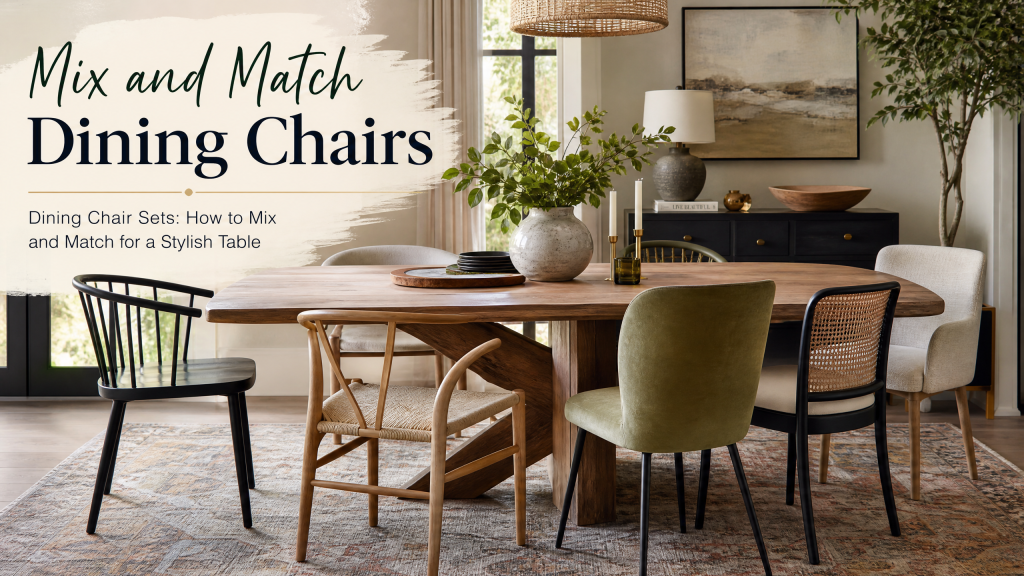
Dining Chair Sets: How to Mix and Match for a Stylish Table
Jun
Dining Chair Sets: How to Mix and Match for a Stylish Table
Gone are the days when a perfectly matched set of identical dining chairs was the only acceptable approach to furnishing a dining table. Today, some of the most beautiful and celebrated dining room designs feature deliberately mismatched chairs — different styles, different materials, and even different colors that somehow work together in perfect, thoughtfully curated harmony. If the idea of mixing dining chairs excites you but the execution feels daunting, this guide will give you the confidence and the principles to create a dining table setting that is genuinely, beautifully your own. Embrace the art of mixing dining chair sets to craft a truly unique and stylish dining experience in your home.
Why Mix and Match Works for Modern Dining Spaces
The psychological appeal of the matched set is understandable. Matching furniture feels safe, ordered, and coordinated. But identical chairs can also feel static and impersonal — like a restaurant or a showroom rather than a home with a life and a history. Thoughtfully mixed chairs, by contrast, tell a story. They suggest a home that has evolved organically, where pieces have been collected and curated over time rather than purchased all at once from a catalog page. This approach brings personality and warmth, making your dining room feel more inviting and lived-in.
Mixed dining chairs also offer practical advantages. When chairs are not identical, it is much easier to add to or replace individual pieces over time as needs change, chairs wear out, or your taste evolves. You are not locked into finding an exact match for a discontinued product years down the line, offering greater flexibility and sustainability for your furniture investments. Furthermore, mixing chairs can be a budget-friendly option, allowing you to incorporate treasured antique finds or sale items alongside newer purchases to create a cohesive yet diverse look.
The Rule of Cohesion: What Ties Mixed Chairs Together
Successful mixed dining chair arrangements always have at least one unifying element that ties the different pieces together and prevents the arrangement from looking chaotic rather than curated. The most powerful unifying elements are color, material, leg style, and silhouette. Understanding these core principles is key to mastering the art of creating stunning dining chair sets that complement each other.
Unifying Elements in Detail:
- Color: This is perhaps the most straightforward unifier. Choose chairs in different styles but upholster them in the same or very closely related colors, and they will look intentionally coordinated rather than randomly assembled. For example, a set of white dining chairs with varied back designs will still feel unified by their shared hue. Alternatively, choose chairs with the same wood stain or metal finish even if their shapes differ. A natural oak finish across different chair styles can provide a warm, consistent foundation.
- Material: A consistent material or texture can also create cohesion. Consider using chairs primarily made of wood, even if some are slatted, some upholstered, and some Windsor-style. The shared material provides an underlying harmony. Similarly, metal chairs, whether industrial or sleek modern, will inherently relate to each other. Mixing upholstery textures within a similar color palette (e.g., velvet, linen, and chenille in shades of grey) adds depth without losing unity.
- Leg Style: Leg style is a subtler but powerful unifier. Chairs that all have tapered wooden legs with the same finish will read as a family even if their seats, backs, and overall proportions differ significantly. Similarly, chairs that all have hairpin metal legs, sled legs, or all have turned wooden legs belong to the same visual family. This shared architectural detail can beautifully tie together otherwise disparate designs.
- Silhouette/Era: While varying silhouettes adds interest, keeping a loose commonality can help. For instance, chairs that all have an open, airy back design will feel lighter together. Or, choose chairs that broadly belong to the same design era (e.g., mid-century modern, farmhouse, or industrial) even if their specific designs vary. This historical or stylistic thread provides an intelligent, understated connection.
Classic Mix-and-Match Formulas for Dining Chair Sets
Several specific mixing approaches have proven consistently successful and are worth understanding as starting points. These formulas provide a framework for confidently combining different dining chair styles.
- The Two-and-Four Formula: This popular approach uses two distinct chair styles — typically different host chairs at the head and foot of the table and four matching side chairs along the length. This is perhaps the most traditional mixing approach and works beautifully with almost any table shape. The host chairs often have arms or a more substantial design, serving as focal points and adding a touch of formality or comfort.
- The All-Different Approach (with a Unifier): This method uses one of each chair style with a single unifying element tying them together (such as consistent color, material, or leg finish). This works best with a longer table where the variety can be appreciated across a greater visual field. The effect can be extraordinary when done with real attention to how each chair’s unique character contributes to the overall composition, creating a truly eclectic and curated look.
- The Upholstered Heads Approach: This strategy uses two upholstered armchairs at the head and foot positions to anchor the arrangement with a sense of comfort and formality, while simpler side chairs in a compatible style fill the remaining positions. The upholstered heads provide a visual focal point and make the dining experience at those positions significantly more comfortable, inviting guests to linger longer. The side chairs can be wood, metal, or even another upholstered style, as long as they complement the host chairs.
- The Bench Integration: For a more relaxed and versatile dining experience, consider incorporating a dining bench on one side of the table, flanked by two chairs at either end, and two or more individual chairs on the opposite side. The bench provides flexible seating and a casual vibe, while the chairs maintain comfort and individual style. Ensure the bench’s material and style harmonize with the chosen chairs.
Embracing Intentional Contrast in Your Dining Room Design
While cohesion is paramount, successful mixed dining chair arrangements often incorporate elements of intentional contrast to prevent the space from feeling too predictable. The key is controlled contrast, where one element stands out while others ground the design. This creates visual interest and dynamism.
- Material Contrast: Pair sleek metal chairs with a rustic wooden table, or soft upholstered chairs with an industrial concrete top. The juxtaposition creates a rich sensory experience.
- Style Contrast: Introduce a couple of vintage or antique chairs into an otherwise modern set. A classic Windsor chair alongside contemporary minimalist designs can be strikingly effective, bridging different eras.
- Color Pop: While a unifying color is great, one or two chairs in a bold, complementary or contrasting color can act as an accent. Imagine an otherwise neutral set of chairs with two vibrant yellow ones at the ends.
- Shape and Form: Mix angular, geometric chairs with those featuring soft, organic curves. This play on shapes adds depth and complexity to the overall arrangement.
The goal is to have enough common ground to make the differences feel deliberate and artistic, rather than haphazard. Think of your dining table as a canvas where each chair contributes a unique brushstroke to a harmonious masterpiece.
Practical Considerations for Your Mixed Dining Set
Beyond aesthetics, practical factors must be considered to ensure your mixed dining chairs are functional and comfortable for everyday use.
- Consistent Seat Height: This is perhaps the most critical practical consideration. While chair back heights can vary dramatically, the seat height for all chairs should ideally be within a very narrow range (e.g., 17-19 inches) to ensure comfortable dining for everyone at the table. Significant differences can make some guests uncomfortable or unable to reach the table properly.
- Table Clearance: Ensure all chairs, regardless of their style, can be tucked neatly under your dining table when not in use. Measure the height of the chair arms (if applicable) and the overall width to confirm they clear the table apron and don’t protrude awkwardly into the dining area.
- Comfort Levels: While not every chair needs to be a plush armchair, try to maintain a consistent baseline for comfort. Avoid mixing an extremely rigid, uncomfortable chair with very cushioned ones, as this can create an imbalance in the dining experience for your guests. Consider adding seat cushions to harder chairs to bring them closer to the comfort level of upholstered options.
- Durability and Maintenance: If you’re mixing materials like delicate fabrics with robust wood or metal, be mindful of their respective care requirements. Ensure you’re willing to commit to the maintenance needed for each type of chair to ensure longevity for your entire set.
- Traffic Flow: Account for the overall footprint of your chosen chairs. Even with varied styles, ensure there’s enough space between chairs and around the table for easy movement and comfortable seating.
A Step-by-Step Guide to Mixing and Matching Dining Chairs
Ready to create your own unique dining chair set? Follow these steps to confidently build a beautiful and cohesive arrangement:
- Assess Your Dining Space and Table:
- What is the style of your dining table (modern, rustic, traditional)? This will be your anchor.
- What are the dominant colors, materials, and overall aesthetic of your dining room?
- How many chairs do you need? What is the size and shape of your table?
- Identify Your Unifying Element:
- Based on your existing table and room, choose *one* primary element that will tie all your chairs together. Is it a specific color, a wood tone, a metal finish, a leg style, or a design era? Sticking to one strong unifier is the easiest way to start.
- Choose Your “Anchor” or “Statement” Chairs:
- Select two (or four, depending on your table size) chairs that you absolutely love. These might be the host chairs, or a set of side chairs that define the main style. These chairs should embody the primary aesthetic or comfort level you desire.
- Select Complementary Chairs:
- Now, find other chairs that work with your anchor chairs and adhere to your chosen unifying element. For example, if your unifier is “natural oak finish,” look for other chairs with that finish but different back designs or materials (e.g., an upholstered seat, a woven back).
- Don’t be afraid to experiment with different forms, as long as they respect the unifying principle.
- Consider Scale, Proportion, and Comfort:
- As discussed, ensure seat heights are consistent.
- Visually check that chairs don’t look awkwardly small next to large ones, or vice versa, unless it’s a very intentional dramatic contrast.
- Prioritize comfort for all seats.
- Visualize and Test the Arrangement:
- If possible, bring chairs home on approval or use online visualization tools.
- Take photos of different combinations. Sometimes seeing it through a camera lens helps to spot imbalances.
- Live with the arrangement for a bit if you can, to gauge comfort and flow.
- Refine and Accessorize:
- Small tweaks can make a big difference. Add cushions, throws, or even a consistent place setting to further tie the look together.
- Ensure the surrounding decor (rug, lighting, wall art) complements the eclectic chair arrangement rather than clashing with it.
Styling Your Mixed Dining Space
Once your mixed dining chair sets are in place, the rest of your dining room decor can further enhance or complete the look. Think about how these elements interact:
- Table Linens: A neutral tablecloth can provide a calm base for varied chairs, while a patterned runner or placemats can pick up on accent colors from your chairs.
- Centerpieces: A large, impactful centerpiece can act as another unifying element, drawing the eye and grounding the table. Alternatively, smaller, scattered elements can reflect the eclectic nature of your chairs.
- Lighting: A statement chandelier or pendant light above the dining table can define the dining zone and complement the overall style, whether it’s modern, vintage, or industrial.
- Area Rugs: An area rug under the dining table can anchor the entire setup. Choose a rug that either provides a neutral backdrop or introduces a pattern and color palette that harmonizes with your mixed chairs.
- Wall Art and Decor: Curated wall art, shelving, or sideboards can reinforce the collected and unique feel of your mixed chairs. Display items that tell a story, much like your chairs do.
Maintenance and Longevity of Your Eclectic Dining Set
A mixed dining set often means a mix of materials, each with its own care needs. To ensure your beautiful, unique collection lasts, consider the following:
- Wood Chairs: Regularly dust and clean with a damp cloth. Protect from excessive moisture and heat. Periodically condition with furniture polish or wax, especially for solid wood.
- Metal Chairs: Wipe down with a soft, damp cloth. For powder-coated metals, avoid abrasive cleaners. For polished metals, use appropriate metal cleaners to maintain shine and prevent tarnish.
- Upholstered Chairs: Vacuum regularly to remove dust and crumbs. Address spills immediately according to the fabric type (e.g., blotting, not rubbing). Consider professional cleaning for deep stains or overall freshening.
- Leather Chairs: Dust with a soft cloth. Wipe with a damp cloth and mild soap for spills. Condition periodically with a leather conditioner to prevent drying and cracking.
By understanding and addressing the specific needs of each material, you can ensure that your eclectic dining chair sets remain stunning and comfortable for years to come.
Frequently Asked Questions About Mixing Dining Chairs
Still have questions about how to best implement this stylish trend? Here are some common queries:
- Q: Can I mix chairs from different eras or historical styles?
A: Absolutely! This is one of the most exciting aspects of mixing chairs. A mid-century modern table paired with classic Thonet chairs and a couple of upholstered contemporary pieces can look incredibly sophisticated. The key is to find that unifying thread, whether it’s a shared material finish, a consistent color, or even just a similar sense of scale. - Q: How many different chair styles can I use at one table?
A: There’s no hard and fast rule, but for most standard dining tables (seating 6-8), using 2-3 distinct styles is a good starting point. For longer tables, you might incorporate 4 or even 5 if you maintain strong cohesion. Too many styles without a clear connection can quickly look chaotic. - Q: What if my dining table isn’t modern? Can I still mix chairs?
A: Yes! Mixing chairs can bring new life to traditional or antique dining tables. Pairing a classic ornate wooden table with sleek, modern upholstered chairs, or vice-versa, creates an interesting contrast. The table itself can act as a strong anchor, allowing the chairs to be more varied. - Q: Should all the chairs be equally comfortable?
A: Ideally, all chairs should offer a reasonable level of comfort. While a host chair might be more plush, the side chairs should still be pleasant to sit in for the duration of a meal. If you have some less comfortable options, consider adding cushions to enhance their sit. - Q: Can I use a dining bench with mixed chairs?
A: Yes, incorporating a bench is a fantastic way to add a casual, modern touch and flexible seating to a mixed set. Ensure the bench’s material and style are compatible with the chairs, or use it as another opportunity for controlled contrast. - Q: What’s the easiest way to start mixing if I’m nervous?
A: Start small! The “two-and-four” formula (different host chairs, matching side chairs) is a safe and elegant entry point. Alternatively, choose chairs that are identical in form but vary only in color or upholstery fabric. This builds confidence before you tackle more significant style differences.
Our store carries a curated selection of dining chairs across many styles, materials, and price points, and our design consultants enjoy nothing more than helping customers build beautiful mixed dining chair arrangements. Bring photos of your dining space and table, and we will work with you to find the combination that expresses your unique aesthetic vision, helping you create truly special dining chair sets for your home.
