Post
How to Care for and Maintain Your Wooden Chairs for Decades of Beauty
Jun
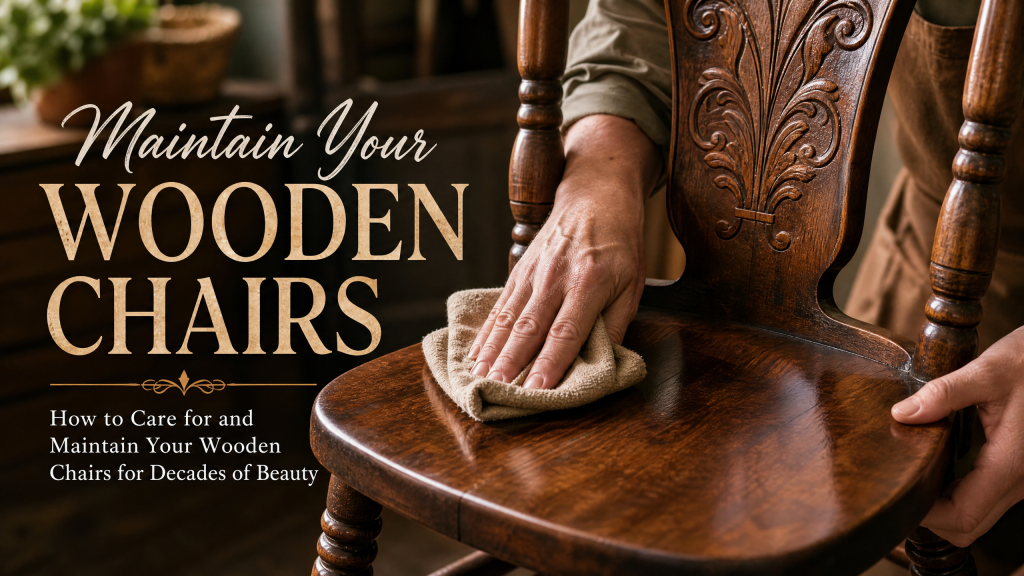
How to Care for and Maintain Your Wooden Chairs for Decades of Beauty
Wooden chairs are among the most enduring and beloved pieces of furniture in existence. From rustic farmhouse dining sets to refined mid-century modern classics, well-crafted wooden chairs can last for generations when properly cared for. Unfortunately, many people underestimate the maintenance these beautiful pieces require, leading to premature wear, damage, and deterioration. This comprehensive guide will give you everything you need to keep your wooden chairs looking magnificent for decades to come, ensuring they remain cherished pieces in your home.
Understanding the Nature of Wood
Before diving into specific care techniques, it is worth understanding something fundamental about wood: it is a living material in the sense that it continues to respond to its environment even after it has been harvested and crafted into furniture. Wood expands when it absorbs moisture and contracts when it dries out. This natural movement is completely normal but can cause problems when it is extreme or rapid.
The type of wood used in your chairs matters significantly. Hardwoods like oak, walnut, cherry, and maple are denser and more resistant to dents and scratches than softwoods like pine or cedar. Each wood type has its own grain pattern and natural color, influencing its aesthetic and how it might age. The finish applied to the wood also plays a major role in how the chair should be cleaned and maintained. Common finishes include:
- Lacquer & Varnish: Hard, durable finishes that create a protective layer on the surface. They offer good water and scratch resistance.
- Polyurethane: A highly durable plastic-based finish, often used for high-traffic furniture due to its excellent resistance to moisture and abrasion.
- Oil Finishes: Penetrate the wood rather than forming a surface layer, enhancing the natural look and feel of the wood. They require more frequent reapplication.
- Wax Finishes: Provide a soft luster and some protection, often used over oil finishes or directly on raw wood. They offer less protection than lacquer or poly.
Regular Cleaning Practices
The most important aspect of wooden chair maintenance is regular, gentle cleaning. Dust your chairs weekly using a soft, dry cloth or a microfiber duster. This prevents the buildup of grime that can gradually dull the finish and create a surface environment where scratches become more likely.
For more thorough cleaning, use a slightly damp cloth followed immediately by a dry cloth. Never saturate wood with water. Excess moisture can cause swelling, warping, and eventually lead to cracking or splitting of the wood. Always wipe in the direction of the wood grain, as going against the grain can create micro-scratches that accumulate over time. For stubborn spots or sticky residue, a mild solution of a few drops of dish soap in warm water can be used sparingly, applied with a very damp (not wet) cloth, and immediately wiped dry.
Avoid using harsh chemical cleaners, ammonia-based products, or spray polishes that contain silicone. Silicone products in particular can cause serious long-term problems because they penetrate the wood’s pores and create a barrier that makes future refinishing extremely difficult. Always test any new cleaning solution on an inconspicuous area first.
Selecting and Applying the Right Care Products
With a myriad of furniture care products available, choosing the right one can be daunting. The key is to match the product to your chair’s finish and specific needs. For general cleaning of finished wood, specialized wood cleaners free of silicones and waxes are best. For adding shine or enhancing protection:
- Furniture Polishes: Designed for sealed wood surfaces (lacquer, varnish, polyurethane), polishes clean, shine, and provide a light protective layer. Choose a non-silicone, non-wax variety for best long-term results.
- Paste Wax: Ideal for natural wood, oil finishes, or as an added layer of protection over other finishes. Paste wax offers a durable, deep sheen and some water resistance. Apply thinly, let dry, and buff.
- Furniture Oils: Best for oil-finished or unfinished wood, these products penetrate and moisturize the wood, preventing drying and cracking. Reapply as the wood appears dry or dull.
Always follow the manufacturer’s instructions for application and frequency. Less is often more with these products; excessive build-up can attract dust and create a hazy film.
Conditioning the Wood
Just as skin needs moisturizer, wood benefits from periodic conditioning to prevent it from drying out and cracking. The appropriate conditioning product depends on your chair’s finish. For chairs with an oil or wax finish, apply a high-quality furniture oil or paste wax every three to six months. Work the conditioner into the wood using a soft, clean cloth, moving with the grain. Allow it to penetrate for the time recommended by the manufacturer, typically 15-30 minutes, then buff off any excess completely to prevent a sticky residue or hazy film.
For chairs with a lacquer, polyurethane, or varnish finish, conditioning the wood itself is less necessary because the finish acts as a protective barrier. Instead, focus on maintaining the finish itself by using appropriate furniture polish products designed for finished wood surfaces. These polishes help to maintain the integrity and shine of the protective layer.
Protecting Against Environmental Damage
Sunlight is one of the most destructive forces for wooden furniture. UV rays break down the chemical bonds in wood finishes and can cause significant fading and discoloration over time, often resulting in uneven color. If possible, position your wooden chairs away from direct sunlight, or use UV-filtering window treatments (blinds, curtains, or films) to reduce exposure.
Temperature and humidity fluctuations are equally damaging. Try to keep your home within a stable temperature and humidity range (ideally 40-50% relative humidity). Running a humidifier during dry winter months prevents excessive moisture loss that can cause cracking and joint separation, while a dehumidifier during humid summer months prevents excessive expansion, potential warping, and mold growth. A hygrometer can help you monitor humidity levels in your home.
Always use coasters, placemats, and tablecloths on adjacent surfaces. Heat from hot dishes can leave permanent marks (white rings or dark spots) on wooden furniture. Spills should be cleaned up immediately — the longer liquid sits on wood, the deeper it penetrates and the more difficult it becomes to remove without refinishing. Placing felt or rubber pads under chair feet can also prevent scratches on your floors and protect the chair legs from moisture if used on hard surfaces.
Tackling Common Wood Chair Issues
Even with diligent care, wooden chairs can encounter specific problems. Knowing how to address them quickly can prevent minor issues from becoming major repairs:
- Water Rings (White Marks): These are usually moisture trapped in the finish. You can often remove them by gently rubbing with a soft cloth and a dab of non-gel toothpaste, mayonnaise, or a specialized ring remover product. Always wipe clean and buff afterwards.
- Heat Marks (Darker Spots): Similar to water rings but caused by heat. For superficial marks, try the methods above. Deeper heat marks may require light sanding and refinishing of the affected area.
- Minor Dents: For shallow dents where the wood fibers are compressed but not broken, try placing a damp cloth over the dent and applying a hot iron briefly (test in an inconspicuous spot first). The steam can cause the wood fibers to swell and rise.
- Wax Build-up: If you’ve used wax-based polishes too frequently, you might get a hazy build-up. A specialized wax remover or a cloth dampened with mineral spirits (used very sparingly and wiped immediately dry) can remove the excess.
Always proceed with caution and test any repair method on an unseen area of the chair first.
Repairing Minor Damage
Even with the best care, wooden chairs will occasionally suffer minor scratches or scuffs. For surface scratches that have not penetrated through the finish, a furniture touch-up pen or scratch repair product matched to your chair’s color can work wonders. For deeper scratches, a small amount of matching wood stain applied carefully with a fine brush, followed by a compatible clear finish, can significantly reduce visibility.
Wobbling joints are a common issue with wooden chairs over time, as the glue that holds joints together can loosen with age and use. Rather than ignoring a wobbly chair — which puts stress on all the other joints and risks catastrophic failure — address it promptly. For best results, carefully disassemble the loose joint, remove all old dried glue using a chisel or sandpaper, and then reapply a high-quality wood glue (like Titebond III) into both surfaces of the joint. Clamp the joint firmly, ensuring the chair is square, and allow it to cure completely for at least 24 hours before returning the chair to use. Never try to force glue into an already assembled joint, as it rarely provides a lasting fix.
Caring for Chair Hardware and Upholstery
Beyond the wood itself, other components of your chairs also require attention for long-term beauty and functionality:
- Hardware: Periodically check all screws and bolts that hold the chair frame together. Tighten any loose fasteners with a screwdriver or wrench to prevent wobbling and stress on the wooden joints. Avoid overtightening, which can strip screws or crack the wood.
- Glides/Feet: Ensure your chair has appropriate glides or pads on its feet to protect both the chair legs and your floors. Replace worn-out felt or plastic glides promptly.
- Upholstery: If your chairs have upholstered seats or backs, vacuum them regularly to remove dust and crumbs. Address spills immediately according to the fabric type (blot, don’t rub). For leather upholstery, use a leather conditioner periodically to prevent drying and cracking.
Professional Refinishing and Beyond
Even the most lovingly maintained wooden chair will eventually need professional refinishing after many years of use. Signs that it is time for refinishing include deep scratches that penetrate the finish, extensive discoloration, peeling or flaking finish, or general dullness that no amount of polishing can correct. Professional refinishing involves stripping the old finish, carefully sanding the wood surface, and applying fresh stain and protective coats. When done correctly, it can make an old chair look as good as new, significantly extending its lifespan and restoring its original beauty.
Beyond refinishing, professional help might be needed for significant structural repairs, such as broken chair legs, deeply cracked wood, or complex joint failures. Expert woodworkers have the tools and experience to perform intricate repairs that can save a beloved chair from being discarded.
Our store not only sells beautiful wooden chairs but also offers guidance on care products and maintenance. Our team can help you select the right care products for your specific chair’s finish and wood type, ensuring your investment stays beautiful for many years to come. We also partner with skilled local craftsmen for more extensive repairs and refinishing services.
Frequently Asked Questions (FAQ) About Wooden Chair Care
Q1: How often should I clean my wooden chairs?
A: Regular dusting should be done weekly with a soft, dry cloth. For a more thorough cleaning, a slightly damp cloth can be used monthly or as needed, always followed immediately by a dry cloth.
Q2: Can I use multi-surface cleaners on my wooden chairs?
A: It’s generally best to avoid multi-surface cleaners as they often contain harsh chemicals or ammonia that can damage wood finishes over time. Stick to products specifically designed for wood furniture or a very mild soap and water solution.
Q3: What’s the best way to remove sticky residue from a wooden chair?
A: For sticky residue, try gently wiping with a cloth dampened with a small amount of mineral spirits or rubbing alcohol (test in an inconspicuous area first). Immediately wipe clean with a damp cloth and then dry thoroughly. Avoid scraping.
Q4: My wooden chair is wobbly. Can I fix it myself?
A: Minor wobbles from loose joints can often be fixed yourself. The best approach is to carefully disassemble the loose joint, remove old glue, reapply a quality wood glue, and clamp securely until dry. For complex or severely damaged joints, professional help is recommended.
Q5: How can I prevent fading from sunlight?
A: Position your chairs away from direct sunlight whenever possible. Use UV-filtering window treatments like blinds, curtains, or window films to block harmful UV rays that cause fading and discoloration.
Q6: Is it okay to use furniture polish with silicone?
A: It’s generally advised to avoid silicone-based polishes. While they provide immediate shine, silicone can penetrate the wood’s pores, creating a barrier that makes future refinishing or repair extremely difficult and can lead to a cloudy appearance over time.
“`
