Post
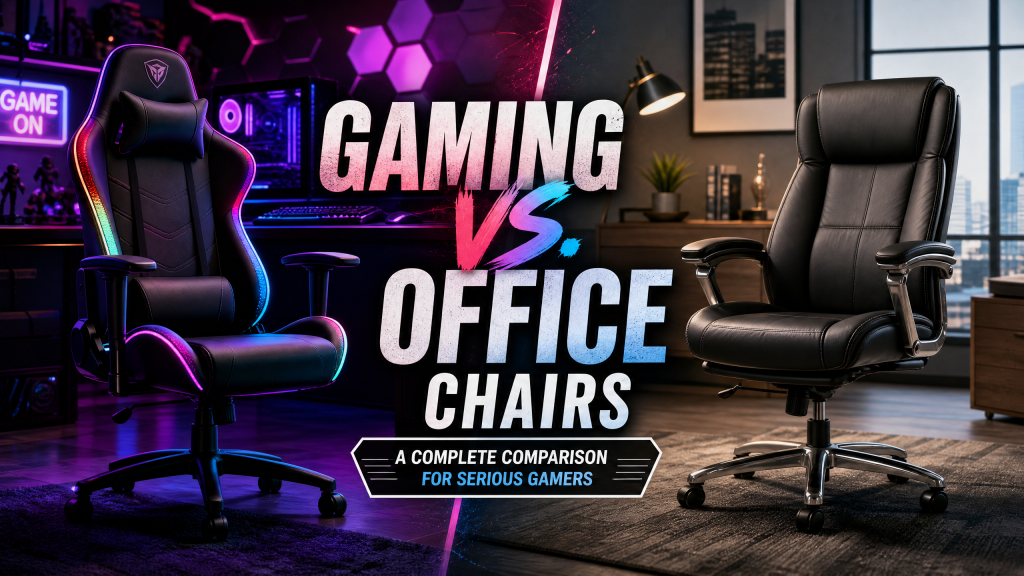
Gaming Chairs vs Office Chairs: A Complete Comparison for Serious Gamers
Jun
“`html
Gaming Chairs vs Office Chairs: A Complete Comparison for Serious Gamers
If you spend hours every day at your computer — whether for work, gaming, or both — the chair you sit in has a significant impact on your comfort, performance, and physical health. The gaming chair market has exploded in recent years, with countless brands promising the ultimate sitting experience tailored specifically for gamers. But do gaming chairs actually deliver on these promises, or are you better off with a high-quality ergonomic office chair? This comprehensive comparison will help you decide which computer chair is best for your setup, optimizing for comfort, support, and long-term well-being.
The Gaming Chair: Origins and Design Philosophy
Gaming chairs emerged in the mid-2000s, drawing heavy inspiration from the bucket seats found in high-performance racing cars. The aesthetic is deliberately bold and aggressive, with bold color contrasts, prominent side bolsters, and racing-style branding. The appeal was immediate, especially to a gaming demographic that values self-expression and a distinct identity. Common features include high backrests, neck and lumbar pillows, and often 4D adjustable armrests designed to support various gaming postures.
From a design standpoint, gaming chairs prioritize a specific seated position: slightly reclined, with the user leaning back against a high backrest. This is comfortable for a relaxed gaming posture where you are reaching forward to a controller rather than hunching over a keyboard and mouse. The prominent side bolsters help keep you positioned within the seat during dynamic movements, though some argue they can be restrictive for everyday use. Most gaming chairs are upholstered in PU leather, which offers a sleek look but can sometimes lack breathability.
The Office Chair: Designed Around Science
Ergonomic office chairs, by contrast, are designed around the findings of decades of research in ergonomics, biomechanics, and occupational health. The goal is not to look exciting but to provide scientifically optimal support for the human body during extended periods of desk work. Premium office chairs from brands like Herman Miller, Steelcase, and Humanscale are often developed in collaboration with medical professionals and tested extensively for health outcomes. Their design emphasizes adjustability and breathable materials to ensure proper posture and comfort.
The design philosophy prioritizes adaptability to individual body types. A high-quality ergonomic office chair can typically accommodate a wide range of body heights and shapes through its many adjustment points, ensuring that every user can achieve a properly supported seated position. Materials like mesh, high-density foam, and durable fabrics are common, chosen for their breathability, support, and longevity.
Materials, Durability, and Build Quality
The materials and build quality of a chair significantly impact its longevity, comfort, and price. This is an area where the two types of chairs often diverge.
- Gaming Chairs: Most gaming chairs utilize a steel frame for durability, but the upholstery is predominantly PU leather (polyurethane leather). While aesthetically appealing and easy to clean, PU leather can crack or peel over time, especially with heavy use, and may not be as breathable as fabric or mesh, leading to sweat build-up during intense sessions. The foam density can vary wildly between brands and price points, affecting long-term comfort and sag resistance.
- Office Chairs: Premium ergonomic office chairs often feature robust metal (aluminum or steel) frames, high-quality plastics, and superior cushioning materials. Upholstery frequently includes breathable mesh, high-grade fabric, or genuine leather. Mesh is particularly popular for its excellent airflow, preventing heat and moisture buildup. High-density, molded foam is used to maintain shape and support for many years. These chairs are built to withstand rigorous daily use and often come with much longer warranties, sometimes 10-12 years, reflecting confidence in their build quality.
Understanding these material differences is crucial for assessing the long-term value and comfort of your investment.
Lumbar Support: A Critical Difference
This is arguably the most significant functional difference between most gaming chairs and quality ergonomic office chairs. Ergonomic office chairs typically feature integrated, adjustable lumbar support that can be positioned precisely where your lower back needs it, conforming to your individual spinal curvature. Many premium models feature dynamic lumbar support that adjusts automatically as you move, promoting healthy spinal alignment throughout the day.
Most gaming chairs use a detachable lumbar pillow that attaches to the chair via a strap or hook. While this is better than no lumbar support, it is generally less effective than an integrated adjustable support system. The pillow can shift out of position during use, and its fixed shape may not match every user’s lower back curvature correctly. Some higher-end gaming chairs have begun incorporating better internal, adjustable lumbar support systems (often controlled by a dial), but they remain the exception rather than the rule. For serious gamers and professionals concerned about back health, dynamic and precise lumbar support is non-negotiable.
Adjustability and Customization
The ability to customize a chair to your specific body and preferences is paramount for ergonomic health. Here’s a comparison:
- Premium Ergonomic Office Chairs: These chairs typically offer a comprehensive range of adjustments: seat height, seat depth, seat angle, backrest height, backrest recline tension, armrest height, armrest width, armrest depth and rotation (often called 4D armrests), lumbar support height and firmness, and headrest position. This level of customization allows virtually anyone to dial in a perfectly supported seated position, whether leaning forward for intensive tasks or reclining slightly for thought.
- Gaming Chairs: Gaming chairs typically offer seat height adjustment and recline (often a deep, almost flat recline), and most include some form of armrest adjustment (often 3D or 4D). However, the overall range of adjustability is usually more limited than in comparable ergonomic office chairs. Mid-range gaming chairs often lack crucial seat depth adjustment, which is particularly important for users with shorter or longer thigh lengths to prevent pressure behind the knees and ensure proper back support. The fixed side bolsters can also limit movement.
More adjustment points mean a better fit for a wider range of body types, leading to improved posture and reduced strain during long hours.
Headrests and Neck Support
Both chair types typically include a headrest, but their design and functionality differ.
- Gaming Chairs: Feature a high backrest that often extends above the head, usually accompanied by a detachable neck pillow. This pillow is often fixed or has limited adjustment, and its primary purpose is to support a reclined posture typical of console gaming or media consumption. For active PC gaming, where you’re leaning forward, this pillow can sometimes push your head too far forward, straining your neck.
- Office Chairs: Many ergonomic office chairs feature an adjustable headrest that can be moved up, down, and sometimes angled to provide precise neck support. Some high-end models have dynamic headrests that move with you. The goal is to support the natural curve of your cervical spine when you lean back, without forcing your head into an unnatural position when you’re engaged in work or gaming at your desk.
Proper neck support is vital for preventing tension headaches and chronic neck pain, making the adjustability of office chair headrests a significant advantage for desk-bound users.
Aesthetics vs. Ergonomics: Finding Your Balance
The visual appeal of a chair can be a significant factor, especially for gamers looking to complete their setup.
- Gaming Chairs: Excel in aesthetics, offering bold colors, racing stripes, and aggressive designs that resonate with the gaming culture. They are designed to be a statement piece, enhancing the visual theme of a gaming battlestation. For streamers or content creators, the visual identity of a gaming chair can be part of their brand.
- Office Chairs: Tend to have a more subdued, professional, and often minimalist aesthetic. They are designed to blend seamlessly into various office environments rather than stand out. While some modern office chairs have sleek designs, they prioritize functionality and comfort over flashy visuals.
The choice between aesthetics and pure ergonomic function often comes down to personal preference and the primary environment the chair will inhabit. However, it’s worth noting that sacrificing too much on ergonomics for aesthetics can have long-term health consequences.
Extended Gaming Sessions: What Your Body Really Needs
During a marathon gaming session of four, six, or even eight or more hours, your body needs consistent, dynamic support. The risk of sitting in any chair for too long without moving is significant — even in the best ergonomic chair available. However, a chair that supports proper posture makes it easier to maintain good positioning habits and take effective micro-breaks.
For PC gaming in particular, where you are using a keyboard and mouse and leaning forward toward a monitor, the ergonomic office chair’s forward-focused design tends to be more appropriate than the reclined racing position encouraged by most gaming chairs. The ability to adjust lumbar support, seat depth, and armrest position becomes critically important during long sessions to prevent fatigue, discomfort, and the development of musculoskeletal issues. Look for features that encourage dynamic sitting, allowing small movements while maintaining support, which is often found in advanced tilt mechanisms of ergonomic office chairs.
Beyond the Chair: Creating an Ergonomic Work/Gaming Station
While your chair is a cornerstone of an ergonomic setup, it’s part of a larger ecosystem. To maximize comfort and prevent strain, consider these elements:
- Desk Height: Ensure your desk allows your arms to be at a 90-degree angle when typing, with your feet flat on the floor (or on a footrest). Standing desks can offer flexibility.
- Monitor Placement: Position your monitor(s) at arm’s length, with the top of the screen at or slightly below eye level. This prevents neck strain.
- Keyboard and Mouse: Use ergonomic peripherals that keep your wrists straight and relaxed.
- Lighting: Proper room lighting and monitor brightness reduce eye strain.
- Regular Breaks: Even with the best setup, taking short breaks to stand, stretch, and walk around every 30-60 minutes is crucial for blood circulation and overall well-being.
A great chair can only do so much if the rest of your environment is not optimized for your health.
Price and Value Comparison
Gaming chairs span a wide price range, from budget models under a hundred dollars to premium options costing several hundred or even over a thousand. However, it is worth noting that at similar price points, the ergonomic quality of office chairs generally surpasses that of gaming chairs. A three-hundred-dollar ergonomic office chair will almost certainly provide better long-term comfort and health outcomes than a three-hundred-dollar gaming chair from most brands.
Investing in a high-quality ergonomic office chair is an investment in your long-term health, productivity, and comfort. While the upfront cost might seem higher for premium models, their durability, comprehensive adjustability, and superior ergonomic support often translate to better value over many years of use, potentially saving you from future health-related expenses due to poor posture or back pain.
Our store offers both gaming chairs and premium ergonomic office chairs, allowing you to compare them side by side and make the choice that best suits your lifestyle, budget, and health needs. Our team can guide you through the key features of each option so you can invest confidently in the chair that will serve you best over the long term, whether you’re dominating virtual worlds or tackling professional projects.
Making the Right Choice: Key Considerations
Choosing between a gaming chair and an ergonomic office chair depends on your individual needs and priorities. Ask yourself the following questions:
- Primary Activity: Will you primarily be gaming, working, or a mix of both? For intense PC gaming and prolonged desk work, an ergonomic office chair generally offers superior support. For relaxed console gaming, a gaming chair’s recline might be preferred.
- Budget: Determine your spending limit, but remember that a higher price often correlates with better ergonomics and durability in office chairs.
- Body Type: Consider your height, weight, and specific ergonomic needs (e.g., existing back issues). Ensure the chair’s dimensions and adjustability suit your physique.
- Aesthetics: How important is the visual style of the chair to you and your space?
- Trial Period & Warranty: Look for retailers that offer a trial period, allowing you to test the chair. A longer warranty usually indicates better build quality.
Maintenance and Longevity Tips
Regardless of which chair you choose, proper maintenance can extend its lifespan:
- Regular Cleaning: Wipe down surfaces regularly. For PU leather, use a damp cloth; for mesh or fabric, vacuum or spot clean with mild upholstery cleaner.
- Check Fasteners: Periodically tighten any loose screws or bolts, especially on armrests and mechanisms.
- Lubricate Moving Parts: If your chair has squeaky components, a small amount of silicone lubricant can help.
- Respect Weight Limits: Adhere to the manufacturer’s specified weight capacity to prevent undue stress on components.
- Avoid Direct Sunlight: Prolonged exposure to direct sunlight can fade upholstery and cause PU leather to crack prematurely.
Frequently Asked Questions (FAQ)
Are gaming chairs bad for your back?
Not inherently, but many lower to mid-range gaming chairs lack the sophisticated, adjustable ergonomic support (especially for the lumbar spine) found in quality office chairs. Their fixed, racing-style design can sometimes encourage poor posture during extended desk use. If you choose a gaming chair, look for one with adjustable lumbar support and ensure it allows for an upright, neutral posture.
Can an office chair be good for gaming?
Absolutely! In fact, many professional esports players and streamers opt for high-end ergonomic office chairs due to their superior adjustability, comfort, and support during long gaming sessions. An ergonomic office chair designed for extended sitting will provide excellent support for PC gaming.
How much should I spend on a quality chair?
While you can find chairs for under $100, for true ergonomic benefits and durability, expect to spend at least $300-$500 for a decent ergonomic office chair. Premium models can easily go over $1000. For gaming chairs, similar pricing tiers exist, but the ergonomic return on investment at higher price points tends to favor office chairs.
How often should I replace my chair?
This depends on the chair’s quality and usage. A budget chair might need replacing every 1-3 years. A good quality ergonomic office chair can last 5-10 years, or even longer with proper care, especially if it has a long warranty. Gaming chairs with PU leather upholstery might show wear and tear (peeling) within 2-5 years.
What’s the best chair for preventing back pain?
The best chair for preventing back pain is one that is highly adjustable to your body, provides excellent lumbar support (preferably dynamic and adjustable), encourages proper posture, and is used in conjunction with regular breaks and an ergonomically optimized workspace. In most cases, a high-quality ergonomic office chair will outperform a gaming chair in this regard.
Ultimately, the choice between a gaming chair and an ergonomic office chair boils down to your personal priorities, usage patterns, and budget. For those who spend countless hours at a desk, whether working or gaming, prioritizing ergonomic design and adjustability is key to long-term comfort and health. Visit our store or consult with our experts to find the perfect seating solution that supports your posture, enhances your performance, and contributes to your overall well-being.
“`
