Post
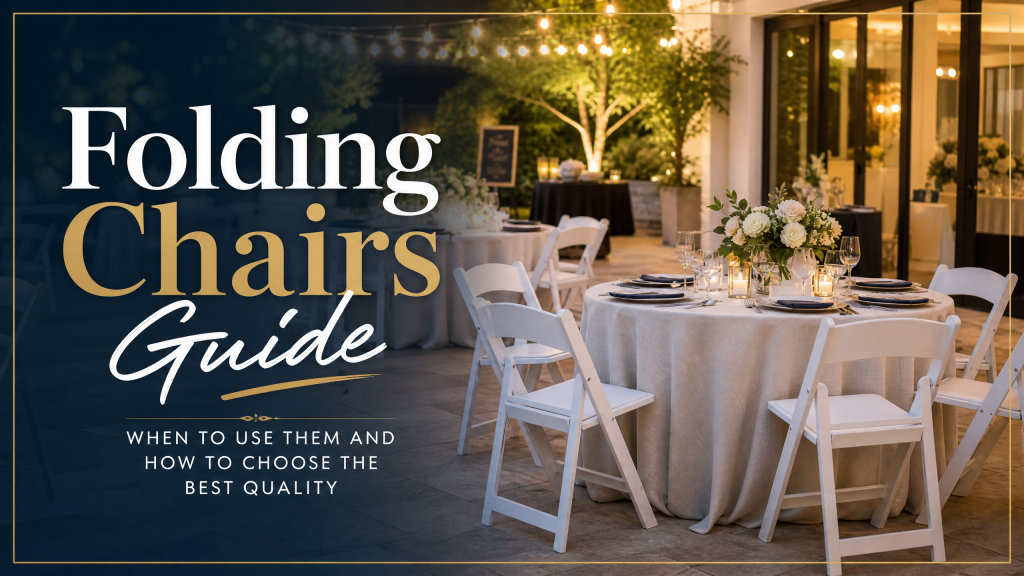
Folding Chairs: When to Use Them and How to Choose the Best Quality
Jun
 Folding Chairs: When to Use Them and How to Choose the Best Quality
 Folding Chairs: When to Use Them and How to Choose the Best Quality
Folding chairs have a reputation that does not entirely do them justice. Many people associate them with cheap plastic seats at outdoor events, school gymnasium productions, or hasty party arrangements. While those associations are not entirely wrong, the world of folding chairs is far broader and more interesting than that limited image suggests. Modern, high-quality folding chairs can be beautiful, comfortable, and remarkably durable — and they offer a practical flexibility that no other type of chair can match. This comprehensive guide will help you understand when folding chairs are the right choice, explore their diverse applications, and show you how to identify the best quality options available to ensure comfort and longevity.
The Fundamental Appeal of Folding Chairs: Versatility and Space-Saving
The core appeal of any folding chair is simple: it provides seating that can be stored compactly when not needed, making it an unrivaled solution for dynamic spaces. This inherent versatility makes folding chairs invaluable in a wide range of situations. In homes where space is at a premium, folding chairs can provide extra seating for guests during holidays or gatherings without permanently occupying valuable floor space. For outdoor dining, impromptu parties, and larger events, folding chairs offer practical flexibility that fixed seating cannot match. For businesses, community organizations, educational institutions, and religious institutions that regularly host large gatherings, the economics and logistical ease of folding chairs are compelling, allowing for rapid setup and teardown.
Beyond pure practicality, there is something to be said for the freedom that folding chairs provide. They allow you to create temporary seating arrangements in almost any space — from a backyard patio to a conference room — and then reclaim that space completely when the seating is no longer needed. This adaptable flexibility is particularly valuable in multipurpose rooms, outdoor venues, and smaller living arrangements where every square foot counts.
Types of Folding Chairs and Their Best Uses
The variety of folding chairs available today caters to almost every aesthetic and functional requirement. Understanding the different types is key to making an informed choice:
- Metal Folding Chairs: The classic metal folding chair — typically made from powder-coated steel with a padded or unpadded seat and back — is the workhorse of the folding chair world. These are the chairs you will find at events, in community centers, and in church halls around the world. At their best, they are sturdy, stackable, and available in a range of colors and padding options. They are budget-friendly and durable for high-traffic environments. At their worst, they are flimsy, uncomfortable, and quick to rust. The difference between a good metal folding chair and a poor one is immediately apparent when you sit in them side by side.
- Wooden Folding Chairs: Representing a significant step up in aesthetic appeal, wooden folding chairs often convey a sense of warmth and sophistication. Chairs made from solid hardwoods like beech, birch, or bamboo, finished with attractive stains or lacquers, can look genuinely beautiful when set up for a dinner party, wedding, or upscale event. Many couples choose wooden folding chairs for their wedding receptions precisely because they combine the practicality of folding chairs with an elegance that standard metal options cannot provide. They are excellent for indoor events where aesthetics are paramount.
- Resin Folding Chairs: Highly popular for outdoor use, resin folding chairs are typically made from commercial-grade polypropylene or high-density polyethylene. They are completely waterproof, UV-resistant, and remarkably easy to clean, making them impervious to rust or weather damage. Quality resin chairs are surprisingly comfortable, very durable, and available in a wide range of colors, often mimicking wood grain. They can be left outdoors without concern, making them ideal for pool areas, patios, gardens, and outdoor events.
- Plastic Folding Chairs: Distinct from resin chairs, basic plastic folding chairs are often the most economical option. They are lightweight, come in many colors, and are easy to clean. While less durable and aesthetically refined than resin or metal chairs, they are perfect for casual backyard gatherings, children’s parties, or as emergency seating where cost is the primary concern and heavy-duty use is not expected.
- Upholstered/Banquet Folding Chairs: For situations demanding maximum comfort and a formal appearance, upholstered folding chairs are the go-to. These chairs often feature thick, high-density foam padding on both the seat and back, covered in durable fabrics like vinyl, linen, or commercial-grade upholstery. They are frequently used in banquet halls, conference centers, and upscale events where guests will be seated for extended periods. They offer a luxurious feel unmatched by other types.
Quality Indicators to Evaluate for Lasting Value
When evaluating folding chair quality, start with the frame. For metal chairs, look for heavy-gauge steel rather than thin-walled tubing, which can bend or buckle. Aluminum frames offer lighter weight but may cost more. The joints between frame members should be welded cleanly without gaps or rough edges, or secured with robust bolts and nuts, not just flimsy rivets. A good powder coat finish should be even and smooth with no drips, thin spots, or signs of chipping, which indicates strong rust resistance. For wooden chairs, examine the wood for consistent grain, solid construction, and a smooth, even finish. For resin and plastic chairs, look for virgin plastic materials (not recycled, which can be brittle) and a consistent, robust molding with no sharp edges or weak points.
Check the folding mechanism — it should operate smoothly and lock securely in both the open and closed position, preventing accidental collapse. Quality hinges are often double-riveted or use heavy-duty pins.
For the seat and back, padding density and fabric quality matter enormously for comfort and longevity. Thin foam padding will compress quickly with use and provide little comfort after its first few months of service. Look for higher-density foam (e.g., 1.5 lb to 2.0 lb density per cubic foot) that maintains its cushioning properties over time, covered with a durable fabric that resists tearing, staining, and fading. Vinyl upholstery should be commercial-grade and resistant to cracking. For unpadded seats, ensure the material is thick enough to support weight without flexing excessively.
Ergonomics and User Comfort: Beyond Basic Seating
While often seen as temporary seating, a good folding chair can still offer surprising comfort. Ergonomic design principles can significantly enhance the user experience, especially if guests will be seated for more than a brief moment.
- Seat Contouring: A slightly contoured seat that follows the natural curve of the body can distribute weight more evenly and reduce pressure points.
- Backrest Angle: An optimally angled backrest provides lumbar support and encourages good posture. Many quality chairs feature a slight recline for added comfort.
- Padding Thickness and Density: As mentioned, high-density foam (typically 1.5 inches or thicker) in both the seat and back can make a dramatic difference.
- Seat Height: Standard seat height (around 17-18 inches) ensures most adults can sit comfortably with their feet flat on the ground.
- Smooth Edges: Avoid chairs with sharp edges that can dig into the legs or back.
Durability, Weight Capacity, and Safety Standards
Beyond comfort, a critical aspect of quality is a chair’s durability and ability to safely support its users. Always check the manufacturer’s stated weight capacity, which typically ranges from 250 lbs to over 500 lbs for commercial-grade models. Chairs used in public spaces or for commercial events should ideally meet BIFMA (Business and Institutional Furniture Manufacturers Association) standards, which certify strength, durability, and safety. Look for features like non-marring floor glides on the chair legs to protect floors and enhance stability, preventing wobbling. Safety latches that firmly secure the chair in its open position are also non-negotiable for preventing accidental folding.
Care and Maintenance for Extended Lifespan
Even the best folding chairs require some maintenance to achieve their full lifespan. Proper care ensures they remain functional and presentable for years to come:
- General Cleaning: Wipe down metal and resin chairs regularly with a damp cloth and mild detergent to remove dirt and grime. Avoid abrasive cleaners that can damage finishes.
- Rust Prevention: For metal chairs, promptly address any chips or scratches in the powder coat finish with touch-up paint to prevent rust from spreading beneath the surface coating. Clean and dry chairs thoroughly, particularly in humid environments or after outdoor use.
- Fabric Care: For upholstered chairs, vacuum regularly and spot clean spills immediately with a fabric cleaner appropriate for the material. Consult specific manufacturer guidelines.
- Mechanism Lubrication: Oil hinges and folding mechanisms periodically with a silicone-based spray or light machine oil to prevent rust and ensure smooth operation.
- Proper Storage: Store chairs indoors when not in use if possible. If outdoor storage is necessary, use protective covers that are waterproof and UV-resistant. Stack chairs on appropriate carts or racks to prevent damage and maximize storage efficiency.
Strategic Storage and Transport Solutions
The compact nature of folding chairs is their biggest asset, and optimized storage solutions can enhance their utility. Investing in the right storage and transport accessories is crucial for efficiency and preserving chair quality, especially for institutions or businesses handling large quantities.
- Folding Chair Carts: These wheeled carts are designed to hold multiple folded chairs, allowing for easy transport and rapid setup/teardown between different locations. They save labor and prevent damage from dragging.
- Vertical Storage Racks: For permanent storage, vertical racks can hold dozens of chairs in a minimal footprint, keeping them organized and off the floor.
- Wall Mounts: For smaller quantities or home use, wall-mounted hooks or brackets can neatly store individual chairs, freeing up valuable floor space in garages or utility rooms.
Choosing the Ideal Folding Chair: A Decision Guide
With so many options, selecting the perfect folding chair might seem daunting. Consider these factors to guide your decision:
- Primary Use Case:
- Home/Casual: Plastic, light metal, or basic wooden chairs for occasional guest seating.
- Outdoor/Patio: Resin chairs for weather resistance and easy cleaning.
- Formal Events (Weddings, Banquets): Elegant wooden or upholstered banquet chairs for aesthetics and comfort.
- Commercial/Institutional: Heavy-duty metal or resin chairs that meet BIFMA standards for durability and high traffic.
- Budget: Plastic is most economical, followed by standard metal, then resin, with wooden and upholstered chairs being higher investments.
- Aesthetics: Match the chair’s style to your decor or event theme. Do you need a sleek modern look, classic elegance, or something highly functional?
- Comfort Level: How long will people be seated? For extended periods, prioritize thick padding and ergonomic features.
- Storage Space: Consider how many chairs you need to store and the available space. Will you need a cart or racks?
- Weight Capacity: Ensure the chair can safely support anticipated users.
Frequently Asked Questions (FAQ) About Folding Chairs
Q: Are folding chairs comfortable for long periods?
A: It depends on the chair’s quality. High-quality folding chairs, especially upholstered or ergonomically designed models with thick padding, can be surprisingly comfortable for extended use. Basic plastic or unpadded metal chairs are generally better for shorter periods.
Q: What is the average weight capacity of a folding chair?
A: Standard folding chairs typically have a weight capacity of 250-300 lbs. Commercial-grade and heavy-duty models can often support 400 lbs or more. Always check the manufacturer’s specifications.
Q: Can folding chairs be left outside?
A: Only certain types are designed for outdoor use. Resin folding chairs are ideal as they are waterproof and UV-resistant. Metal chairs with a high-quality powder coat finish can tolerate some outdoor exposure but are prone to rust over time if constantly left out. Wooden and upholstered chairs should generally be stored indoors.
Q: How do I clean different types of folding chairs?
A: Resin and plastic chairs can be easily wiped clean with soap and water. Metal chairs require a damp cloth and mild detergent, and any scratches should be touched up to prevent rust. Upholstered chairs should be vacuumed regularly and spot-cleaned according to the fabric type.
Q: Do folding chairs damage floors?
A: Quality folding chairs come with non-marring glides or feet made of plastic or rubber to protect floors. Always check for these. Chairs without proper glides, especially metal ones, can scratch or dent surfaces.
Q: Are all folding chairs stackable?
A: Most folding chairs are designed to be stacked when folded, which is a key space-saving feature. However, stacking capabilities can vary. Some chairs stack more efficiently and securely than others. Check product specifications for stacking limits.
Our store offers a comprehensive range of high-quality folding chairs in metal, wood, resin, and upholstered options for every use case and budget. Visit us today to see our full selection, sit in various models to experience the comfort firsthand, and speak with our knowledgeable team about finding the right folding chair solution for your specific needs, ensuring durability, comfort, and style.
“`
