Post
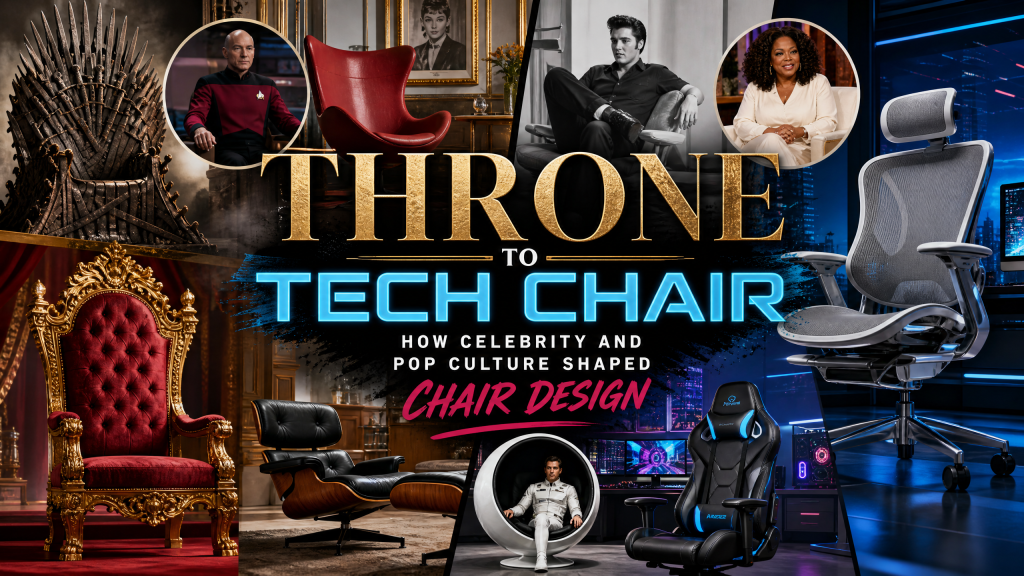
Throne to Tech Chair: How Celebrity and Pop Culture Shaped Chairs Design
Jun
Throne to Tech Chair: How Celebrity and Pop Culture Shaped Chair Design
Throughout history, chairs have been far more than functional objects. They have been symbols of power, expressions of cultural identity, and canvases for the artistic and technological ambitions of their eras. Pop culture, celebrity influence, and the broader cultural zeitgeist have always played a significant role in shaping what we consider desirable, stylish, and aspirational in seating. This fascinating exploration traces the interplay between culture, celebrity, and chair design from ancient times to the digital age, revealing how iconic chairs become ingrained in our collective consciousness and drive interior design trends.
Thrones of Power: The Original Celebrity Chair
Long before there was such a concept as celebrity culture, rulers and religious leaders used their chairs to communicate authority, divine right, and status. The Egyptian pharaoh’s throne, often adorned with gold and precious stones, the Roman curule chair, a symbol of magistracy, or the opulent medieval European king’s throne — all were designed as much for symbolic effect as for physical comfort. The design language of these chairs — height, grandeur, precious materials, elaborate decoration — communicated the sitter’s elevated status to all who beheld it, establishing a visual hierarchy.
This tradition continues today in some of the most recognized chairs in popular culture. The Iron Throne from Game of Thrones, made from a thousand melted swords according to the show’s mythology, became one of the most iconic chair images of the twenty-first century — a deliberate echo of the long tradition of thrones as symbols of power and the burdens it entails. Its uncomfortable, dangerous-looking design communicates a specific and intentional message about the nature of the power it represents, a masterstroke of set design that resonated globally.
Hollywood’s Influence: The Director’s Chair
Few chairs are more immediately identifiable as symbols of creative authority than the director’s chair. This simple folding chair with a canvas back and seat, originally developed for practical use on film sets in the early twentieth century, became a powerful cultural symbol almost by accident. Directors, stars, and studio executives were photographed in these chairs during production, and the image became synonymous with creative control, artistic authority, and Hollywood glamour. Its portability and sturdy design made it indispensable on location, but its visual simplicity allowed it to become a blank canvas for status.
The personalized director’s chair — with the owner’s name printed on the back — became a coveted status symbol in entertainment circles and beyond. These chairs have been given as gifts, collected as memorabilia, and used as decorative objects in offices and homes by people who want to evoke the spirit of creative authority and show business charisma. Their widespread adoption demonstrates how a utilitarian item can transcend its function to become a cultural icon.
Presidential Chairs and Political Symbolism
The chairs associated with political leaders carry their own cultural weight. President John F. Kennedy’s use of a rocking chair in the Oval Office, mentioned earlier in our rocking chair article, not only boosted the rocking chair market but connected a specific chair style permanently with a beloved historical figure, associating it with accessibility and a sense of calm. The association between Kennedy and the rocking chair became part of his legacy, a humanizing touch in the highest office.
Oval Office furniture changes with each administration and has been extensively analyzed by journalists and design commentators as a window into each president’s personality and aesthetic sensibilities. The chair behind the Resolute Desk is among the most photographed pieces of furniture in American political life, and its design is scrutinized for the messages it sends about the occupant’s values and vision. These chairs are not just for sitting; they are part of a national narrative, carefully chosen to project stability, modernity, or tradition.
Iconic Chairs in Film and Television
Beyond the director’s chair, many fictional chairs and set pieces have achieved their own celebrity status, becoming instantly recognizable symbols within popular culture. These chairs often embody a character’s personality or the essence of a show’s aesthetic, influencing interior design choices long after their on-screen debut.
- Star Trek’s Captain’s Chair: A futuristic command center that symbolizes leadership and exploration.
- Dr. Evil’s Chair (Austin Powers): A comically oversized, swiveling armchair, synonymous with villainy and absurd grandeur.
- Central Perk Couch (Friends): The oversized orange sofa where the iconic sitcom characters gathered, inspiring countless replicas and coffee shop decor.
- Frasier Crane’s Armchair: The meticulously chosen, high-end furniture in Dr. Crane’s apartment, reflecting his sophisticated yet neurotic personality.
- The Voice’s Spinning Chairs: The instantly recognizable red swivel chairs used by the coaches, symbolizing the power of choice and discovery in talent.
These examples highlight how chairs can become integral parts of storytelling, evolving into cultural touchstones that viewers identify with and aspire to replicate in their own spaces.
The Eames Effect: Design Celebrities
The twentieth century produced what might be called celebrity chair designers — figures whose names became synonymous with specific chair designs that entered popular culture as icons of taste and sophistication. Charles and Ray Eames are perhaps the supreme example. Their Eames Lounge Chair and Ottoman, introduced in 1956, appeared in countless films, television shows, and advertisements, becoming perhaps the most recognized chair design in the world and a reliable shorthand for sophisticated, design-conscious taste.
The Eames chair has appeared in the background of television programs and films too numerous to count, usually to signal something specific about the character in whose office or home it sits — that they are cultured, successful, and have genuine taste rather than merely expensive furniture. The chair’s cultural ubiquity is remarkable given its specific price point and the fact that it has been in continuous production, virtually unchanged, for nearly seven decades, proving its enduring appeal and status as a design classic.
Architectural Masterpieces and Designer Icons
Beyond the Eames, many other chairs designed by renowned architects and industrial designers have achieved iconic status, celebrated not just for their aesthetics but for their revolutionary construction and the influence they exerted on subsequent design trends. These chairs transcend mere functionality, becoming pieces of art and status symbols in their own right.
- Barcelona Chair (Mies van der Rohe): Designed for the German Pavilion at the 1929 International Exposition, it’s a masterpiece of minimalist modernism.
- Wassily Chair (Marcel Breuer): One of the first chairs to be made of bent tubular steel, a revolutionary design from the Bauhaus era.
- LC2 and LC3 Armchairs (Le Corbusier): Known for their external steel frames and plush cushions, these chairs define comfort and modern elegance.
- Egg and Swan Chairs (Arne Jacobsen): Organic, sculptural forms that became synonymous with Danish modern design and appeared in countless stylish interiors.
These chairs are not just furniture; they are statements about taste, an appreciation for design history, and often, an investment, coveted by collectors and design enthusiasts worldwide.
Gaming Culture and the Rise of the Gaming Chair
In the twenty-first century, gaming culture has created its own chair icon: the gaming chair. Originally inspired by racing car seats, gaming chairs were embraced by popular gaming streamers and esports professionals, and their visibility in online gaming content made them aspirational objects for millions of gaming enthusiasts. The gaming chair is now as recognizable a visual symbol of gaming identity as a headset or mechanical keyboard, signaling dedication and professional intent within the gaming community.
This cultural significance has driven an enormous market. Gaming chair brands have partnered with esports teams, gaming tournaments, and streaming platforms to build their identities as part of gaming culture, demonstrating how effectively pop culture can drive furniture purchasing decisions that have relatively little to do with ergonomic quality and more with status and belonging to a specific tribe. The aesthetic often prioritizes bold colors and aggressive lines, mirroring the high-energy world of competitive gaming.
The Rise of the Ergonomic “Tech Chair”
As the digital age ushered in long hours spent at desks, often in front of screens, the “tech chair” emerged as a new symbol of professionalism and well-being. Companies like Herman Miller and Steelcase spearheaded the movement with high-performance ergonomic chairs designed to support the body through extended work sessions. The Herman Miller Aeron, in particular, became a Silicon Valley status symbol in the 1990s and 2000s, signaling a commitment to employee comfort and cutting-edge design.
With the shift towards remote work, the tech chair moved from corporate offices into home offices, becoming a highly desirable item for professionals seeking to replicate office-level comfort and productivity. Its presence now signifies a serious approach to one’s home workspace, blending functionality with a modern, sophisticated aesthetic. These chairs, often seen in tech reviews and influencer home office tours, represent an investment in health, focus, and professional longevity.
Social Media and Influencer-Driven Trends
In today’s interconnected world, social media platforms like Instagram, Pinterest, and TikTok have become powerful incubators for chair design trends. Interior design influencers, home decor accounts, and celebrity home tours showcase specific chair styles, rapidly propelling them into mainstream popularity. From boucle accent chairs to rattan loungers and minimalist Scandi-inspired dining chairs, a single viral post can spark a widespread desire for a particular aesthetic. This democratization of design trends allows diverse styles to gain traction quickly, often prioritizing visual appeal and “instagrammability.”
Your Chair, Your Statement
The chairs we choose for our homes and offices say something about who we are and what we value. Whether you are drawn to the timeless elegance of a classic design like an Eames, the ergonomic rigor of a premium tech chair, the bold personality of a gaming chair, or a statement accent piece seen on your favorite show, your seating choices are a reflection of your identity and aspirations. They are functional art, storytelling devices, and personal declarations, all rolled into one.
Understanding the cultural legacy of chair design enriches our appreciation for these everyday objects. Visit us today and find your perfect chair – one that not only offers comfort but also tells your unique story, connecting you to the rich tapestry of design, celebrity, and pop culture.
Frequently Asked Questions (FAQ)
Q: What makes a chair iconic in pop culture?
A: A chair becomes iconic when it is repeatedly featured in influential media, associated with memorable characters or events, or embodies a particular design philosophy that resonates widely. Its unique aesthetic or symbolic value allows it to transcend its function.
Q: How do celebrities influence chair design trends?
A: Celebrities influence trends by being seen with certain chairs in films, TV shows, public appearances, or their homes. When a famous personality uses or endorses a chair, it often creates aspirational value, leading to increased demand and mimicking by fans and followers.
Q: Are gaming chairs truly ergonomic?
A: While many gaming chairs are inspired by ergonomic principles (like racing car seats), their primary focus is often on bold aesthetics and specific features for gamers. True ergonomic chairs, like those designed for office work, typically prioritize adjustability and support based on extensive scientific research for long-term health benefits.
Q: What are some timeless designer chairs worth investing in?
A: Timeless designer chairs that often appreciate in value and maintain their aesthetic appeal include the Eames Lounge Chair, Mies van der Rohe’s Barcelona Chair, Le Corbusier’s LC series, and Arne Jacobsen’s Egg or Swan Chairs. These pieces are celebrated for their quality craftsmanship and enduring design.
Q: How can I choose a chair that reflects my style?
A: Consider your personal aesthetic – whether you prefer modern, classic, minimalist, or eclectic. Look at how a chair’s form, materials, and color align with your existing decor and personal tastes. Think about the statement you want to make and how the chair contributes to the overall ambiance of your space.
“`
