Post
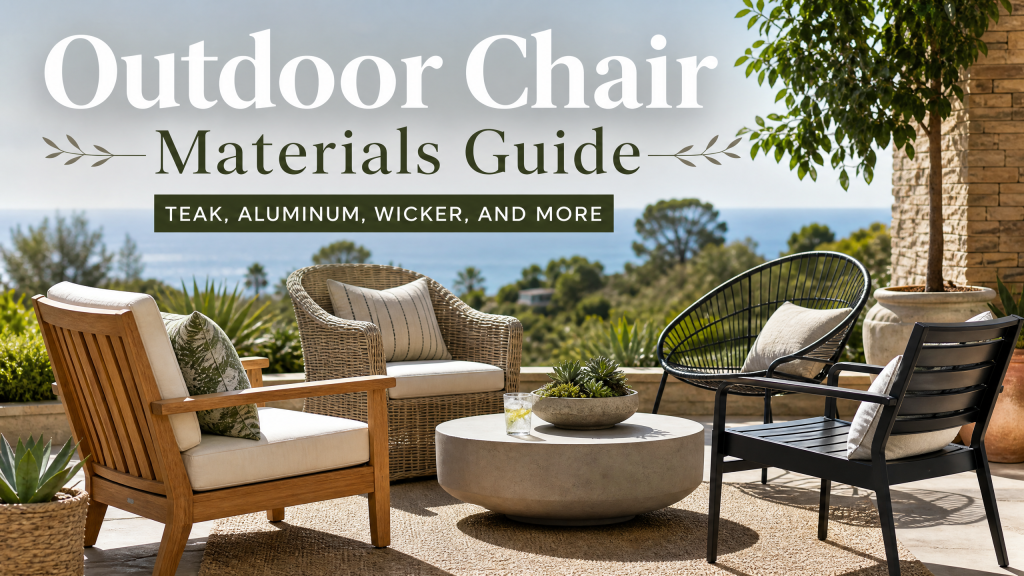
Outdoor Chair Materials Guide: Teak, Aluminum, Wicker, and More
Jun
Outdoor Chair Materials Guide: Teak, Aluminum, Wicker, and More
Outdoor chairs are exposed to some of the harshest conditions any furniture can face: intense UV radiation, rain, wind, temperature extremes, humidity, insects, and the occasional accidental impact. Choosing the right material for your outdoor chairs is therefore one of the most important decisions you will make when furnishing your patio, deck, garden, or pool area. This comprehensive guide breaks down the most popular outdoor chair materials so you can make the best choice for your climate, lifestyle, and aesthetic preferences, ensuring your outdoor seating remains beautiful and functional for years to come.
Teak: The Gold Standard of Outdoor Wood
Teak has long been considered the premier material for outdoor furniture, and for good reason. This tropical hardwood is naturally rich in oils that make it extraordinarily resistant to moisture, rot, insects, and decay. Teak furniture can literally be left outdoors year-round in almost any climate with minimal maintenance and will still last for decades — sometimes even generations.
New teak furniture has a warm golden-honey color that is simply beautiful. If left untreated and exposed to the elements, teak naturally weathers to an attractive silver-gray patina over time. Many people prefer this aged look, while others prefer to maintain the original golden color by applying teak oil annually. Either approach is perfectly valid, with the silver patina requiring virtually no maintenance beyond occasional cleaning, while oiling offers a richer, deep tone and added protection. Quality teak is also graded (A, B, C), with Grade A being the most durable and aesthetically pleasing, coming from the heartwood of mature trees.
The primary drawback of teak is its cost. High-quality teak is among the most expensive outdoor furniture materials available. However, given its extraordinary durability and longevity, teak often proves to be the most economical choice in the long run. Our teak outdoor chairs are sourced from responsibly managed plantations and represent an excellent long-term investment, offering unparalleled resistance to the elements and timeless elegance.
Teak Pros and Cons:
- Pros:
- Exceptional natural resistance to rot, insects, and decay due to high oil content.
- Incredibly durable and long-lasting (decades, even generations).
- Requires minimal maintenance if the silver-gray patina is desired.
- Beautiful golden-honey color when new, charming silver-gray when weathered.
- High resale value.
- Cons:
- High initial cost.
- Requires annual oiling to maintain original golden color.
- Heavy, making it less portable.
Aluminum: Lightweight, Rust-Proof, and Modern
Aluminum is one of the most practical outdoor chair materials available today. Unlike steel, aluminum does not rust, which makes it ideal for outdoor use in humid climates, coastal areas with salt air, and around swimming pools. It is also exceptionally lightweight — an aluminum chair can be moved around your patio or garden with minimal effort, which is a significant practical advantage for reconfiguring your outdoor space or storing furniture.
Modern aluminum outdoor chairs are typically made from cast aluminum or extruded aluminum profiles, finished with a durable powder coat that provides both color and an additional layer of weather resistance. This powder-coating process involves applying a dry powder electromagnetically and then curing it under heat, resulting in a robust finish much tougher than traditional paint. Quality powder-coat finishes can last for many years without chipping or fading significantly, making aluminum a very low-maintenance option.
The aesthetic range of aluminum outdoor chairs is enormous. Contemporary designs offer clean, minimalist lines, while cast aluminum allows for ornate, traditional styling that can mimic the look of wrought iron at a fraction of the weight. Aluminum chairs are available at a wide range of price points, making them accessible regardless of budget. They often feature sling fabrics (like Textilene) for seating or are designed to hold comfortable cushions, expanding their versatility and comfort.
Aluminum Pros and Cons:
- Pros:
- Completely rust-proof, ideal for all climates, especially coastal and humid areas.
- Lightweight, easy to move and reconfigure.
- Low maintenance (just requires occasional cleaning).
- Available in a vast array of styles, colors, and price points.
- Durable powder-coated finishes resist chipping and fading.
- Cons:
- Can sometimes feel less substantial than heavier materials.
- May get hot to the touch in direct sunlight if not coated or paired with fabric.
- Dents or scratches in the powder coat can expose the aluminum, though it won’t rust.
All-Weather Wicker and Resin Wicker
Traditional natural wicker furniture was never well-suited for outdoor use — the natural fibers would quickly deteriorate when exposed to rain and UV radiation. All-weather resin wicker, developed in recent decades, solves this problem while preserving the warm, textural beauty that makes wicker so appealing.
All-weather wicker is made from synthetic polyethylene (HDPE) or vinyl fibers that are tightly woven over sturdy, rust-resistant frames, most commonly aluminum. The synthetic fibers are engineered to be highly resistant to UV fading, moisture, mold, and mildew. Quality all-weather wicker furniture can look virtually identical to natural wicker but will withstand outdoor conditions indefinitely with minimal maintenance, often lasting for 10-15 years or more. The HDPE material is non-toxic and often recyclable, adding an environmental benefit.
All-weather wicker outdoor chairs work beautifully in traditional, coastal, tropical, and transitional outdoor settings. They are particularly popular for covered outdoor living areas, sun rooms, and screened porches where aesthetics are particularly important, offering a cozy and inviting ambiance. The synthetic weave provides a comfortable texture, often enhanced with weather-resistant cushions for ultimate relaxation.
All-Weather Wicker Pros and Cons:
- Pros:
- Highly resistant to UV, moisture, mold, and mildew.
- Durable and long-lasting with proper care.
- Maintains the aesthetic appeal of natural wicker without its vulnerabilities.
- Lightweight (especially with aluminum frames) and easy to move.
- Comfortable, often paired with plush, weather-resistant cushions.
- Cons:
- Can be more expensive than some other synthetic materials.
- Lower quality wicker can become brittle and crack over time.
- Dust and debris can accumulate in the weave, requiring occasional cleaning.
Recycled Plastic Lumber
For the environmentally conscious consumer, outdoor chairs made from recycled plastic lumber offer an appealing combination of sustainability, durability, and low maintenance. These chairs are typically made from recycled HDPE plastic, often sourced from milk jugs, detergent bottles, and other consumer plastic waste, and molded into planks that mimic the appearance of traditional wood slats. This process diverts waste from landfills and reduces the need for virgin plastics.
Recycled plastic lumber chairs are essentially maintenance-free — they never need painting, staining, or sealing, and they are completely immune to rot, insects, and moisture. They are also highly impact-resistant and can handle freezing temperatures without cracking, making them suitable for all-season outdoor use. While their aesthetic may not match the natural beauty of teak or the elegant curves of wrought iron, they deliver excellent practical value and represent a genuinely responsible environmental choice. Modern manufacturing techniques also allow for a wide range of colors, from vibrant hues to muted earth tones, and even wood-grain textures, expanding their design versatility.
Recycled Plastic Lumber Pros and Cons:
- Pros:
- Extremely durable and long-lasting (often comes with 20+ year warranties).
- Completely maintenance-free – no painting, staining, or sealing ever.
- Impervious to rot, insects, moisture, and extreme temperatures.
- Eco-friendly, made from recycled materials.
- Available in many fade-resistant colors.
- Cons:
- Can be quite heavy, making some pieces less portable.
- Aesthetic may not appeal to those seeking a natural wood look.
- Can sometimes be expensive, particularly for higher-end brands.
- May absorb heat in direct sunlight more than some other materials.
Steel (Wrought Iron and Stainless Steel): Robustness and Style
Steel offers unparalleled strength and a distinct aesthetic for outdoor chairs, coming primarily in two forms: wrought iron and stainless steel.
Wrought Iron: Classic Elegance and Substantial Feel
Wrought iron has been a staple in outdoor furniture for centuries, prized for its classic, ornate beauty and substantial weight. It provides excellent stability and resistance to wind, making it perfect for exposed areas. While naturally prone to rust, modern wrought iron furniture is typically treated with a powder-coated finish to protect it from the elements. Regular maintenance, such as touch-ups on scratches and periodic cleaning, is essential to prevent rust from forming.
Stainless Steel: Modern Sophistication and Enhanced Durability
For a contemporary look with superior corrosion resistance, stainless steel is an excellent choice. It’s highly durable and impervious to rust, especially marine-grade (316) stainless steel, which is ideal for coastal environments. Stainless steel frames often feature clean lines and are frequently combined with other materials like teak, sling fabric, or tempered glass to create sophisticated outdoor pieces. While generally more expensive than other metals, its longevity and sleek appearance justify the investment.
Steel Pros and Cons:
- Pros:
- Extremely strong and stable, excellent for windy conditions.
- Wrought iron offers classic, ornate designs; stainless steel offers sleek, modern aesthetics.
- Long-lasting with proper care and finishes.
- Stainless steel offers superior corrosion resistance (especially 316 grade).
- Cons:
- Very heavy, making it difficult to move.
- Wrought iron requires diligent maintenance to prevent rust, even with powder coating.
- Can become hot in direct sunlight.
- Generally more expensive, particularly stainless steel.
Eucalyptus and Acacia: Sustainable Wood Alternatives
While teak stands as the ultimate outdoor wood, its price point can be prohibitive. Eucalyptus and Acacia offer beautiful, more budget-friendly wood alternatives that are still well-suited for outdoor use with proper care. These hardwoods possess natural density and some resistance to moisture and insects, though not to the same degree as teak.
Eucalyptus
Known for its attractive grain and reddish-brown hue, eucalyptus furniture is a popular choice. It requires regular oiling (typically every 2-3 months) to maintain its rich color and protect it from drying out and cracking. If left untreated, it will weather to a silvery-gray, similar to teak, but its overall longevity without maintenance is less.
Acacia
Acacia is another durable hardwood with a varied grain and natural resistance to rot and insects. It’s often used for outdoor furniture due to its strength and ability to withstand some outdoor elements. Like eucalyptus, it benefits from periodic oiling or sealing to preserve its color and extend its life, especially in harsh climates.
Eucalyptus & Acacia Pros and Cons:
- Pros:
- More affordable than teak.
- Attractive natural wood aesthetics.
- Good durability for outdoor use with proper maintenance.
- Environmentally friendly, often sourced from fast-growing, sustainable plantations.
- Cons:
- Requires more frequent oiling/sealing than teak to prevent weathering and cracking.
- Less naturally resistant to rot and insects than teak.
- Shorter lifespan than teak if not consistently maintained.
- Can be heavy.
Textilene and Sling Fabric: Modern Comfort and Low Maintenance
Often paired with aluminum or stainless steel frames, Textilene and other high-quality sling fabrics offer a practical, comfortable, and stylish seating solution for outdoor chairs. Textilene is a woven mesh fabric made from PVC-coated polyester, engineered specifically for outdoor conditions.
This material is celebrated for its breathability, allowing air to circulate and preventing uncomfortable stickiness on hot days. It’s quick-drying, making it perfect for poolside seating as water drains right through. Textilene is also highly resistant to UV fading, mold, mildew, and stretching, maintaining its tautness and appearance over many seasons. It provides ergonomic support without the need for separate cushions, although some chairs may still incorporate them for added luxury. Cleaning is remarkably simple, usually requiring just soap and water.
Textilene & Sling Fabric Pros and Cons:
- Pros:
- Highly breathable and quick-drying, ideal for poolside.
- Excellent resistance to UV, mold, mildew, and fading.
- Low maintenance and easy to clean.
- Offers comfortable, ergonomic support without separate cushions.
- Lightweight when combined with aluminum frames.
- Cons:
- Can sometimes be less plush than cushioned options.
- Limited to specific design styles, often modern or contemporary.
- Lower quality fabrics may sag or fray over time.
Beyond Materials: Key Considerations for Your Outdoor Chairs
While material choice is paramount, other factors play a crucial role in selecting the perfect outdoor chairs for your space.
- Climate: Coastal areas demand rust-proof materials like aluminum, recycled plastic, or marine-grade stainless steel. Humid climates benefit from materials resistant to mold and mildew. Desert climates need materials that won’t dry out and crack easily, and those that don’t get excessively hot in direct sun.
- Maintenance Level: How much time are you willing to dedicate to cleaning, oiling, or covering your furniture? Recycled plastic and aluminum are virtually maintenance-free, while wood and wrought iron require more regular attention.
- Comfort & Ergonomics: Consider whether you prefer a chair that requires cushions or one that offers inherent comfort (like sling fabric). Test chairs for their back support, armrest height, and overall feel.
- Storage & Portability: If you plan to move your chairs frequently or store them off-season, lightweight and stackable options like aluminum or some resin wicker pieces are advantageous. Heavier materials like teak or wrought iron are more permanent fixtures.
- Style & Aesthetic: Your outdoor chairs should complement your home’s architectural style and existing décor. Modern, rustic, traditional, or eclectic – there’s a material and design to match every taste.
- Budget: Outdoor furniture ranges widely in price. While investing in higher-quality materials often means greater longevity, there are excellent durable options available at various price points.
Maintenance Tips for Extending the Life of Your Outdoor Chairs
Regardless of the material you choose, a little care goes a long way in preserving the beauty and extending the lifespan of your outdoor chairs:
- Regular Cleaning: Periodically wipe down your chairs with a mild soap and water solution to remove dirt, pollen, and debris. Rinse thoroughly with clean water.
- Cushion Care: Store cushions indoors when not in use or during inclement weather. Most outdoor cushions have removable, washable covers.
- Winter Storage: If you live in a region with harsh winters, consider storing furniture indoors or covering it with breathable, waterproof covers.
- Covering Furniture: Use fitted outdoor furniture covers during periods of heavy rain, snow, or intense sun to provide an extra layer of protection.
- Address Issues Promptly: Repair any minor damage, scratches, or loose parts quickly to prevent larger problems from developing.
Choosing the Right Material for Your Needs
The best outdoor chair material ultimately depends on your local climate, maintenance preferences, aesthetic vision, and budget. Our extensive outdoor furniture collection includes options in all of the materials discussed in this guide, with expert staff available to help you select the perfect chairs for your specific outdoor space. We prioritize durable, weather-resistant, and stylish options to enhance your patio, deck, or garden. Visit our showroom or browse our extensive online catalog today to find your ideal outdoor seating solutions.
Frequently Asked Questions About Outdoor Chair Materials
Q: How often should I clean my outdoor furniture?
A: Generally, a light cleaning every 2-4 weeks during peak outdoor season and a more thorough cleaning once or twice a year is recommended. This helps prevent buildup of dirt, pollen, and mildew.
Q: Can I leave my outdoor chairs outside all year?
A: It depends on the material and your local climate. Teak, recycled plastic, and high-quality aluminum with powder coating are typically designed to withstand year-round exposure in most climates. However, covering or storing furniture during extreme weather conditions (heavy snow, prolonged rain, intense sun) will always extend its lifespan.
Q: What’s the best material for a coastal climate?
A: For coastal climates with salt air, rust-proof materials like powder-coated aluminum, marine-grade (316) stainless steel, and recycled plastic are ideal. All-weather wicker with an aluminum frame is also an excellent choice. Teak is also highly suitable due to its natural oils.
Q: Is teak worth the investment?
A: For many, yes. While the initial cost is higher, teak’s exceptional durability, natural resistance to the elements, and longevity (lasting for decades) often make it a more economical choice in the long run. It also offers a timeless aesthetic and high resale value.
Q: How do I prevent mold and mildew on my outdoor chairs?
A: Regular cleaning, ensuring furniture dries completely after rain, and using breathable covers can prevent mold and mildew. For materials like all-weather wicker and sling fabric, ensure good air circulation. A mild bleach solution (diluted) can be used for tough mildew stains on appropriate materials, always testing a small, inconspicuous area first.
Q: What’s the difference between natural wicker and all-weather resin wicker?
A: Natural wicker is made from plant fibers (like rattan or bamboo) and is not suitable for prolonged outdoor exposure as it will quickly deteriorate. All-weather resin wicker is made from synthetic polyethylene (HDPE) fibers woven over a durable frame, engineered to resist UV, moisture, and mildew, making it ideal for outdoor use without significant degradation.
