Post
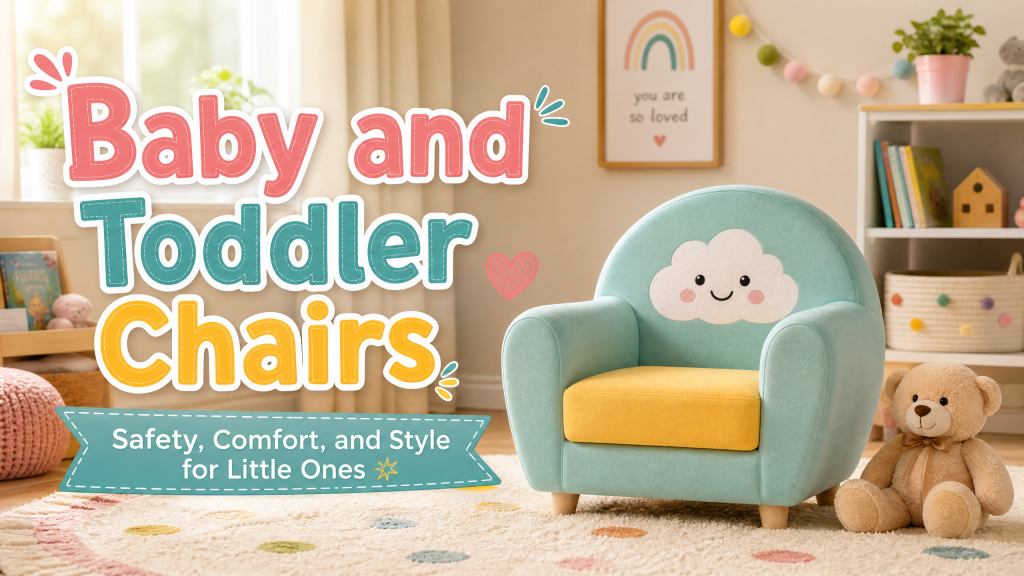
Baby and Toddler Chairs: Safety, Comfort, and Style for Little Ones
Jun
Baby and Toddler Chairs: Safety, Comfort, and Style for Little Ones
Choosing furniture for your little ones is a uniquely important task. Unlike adult furniture where comfort and aesthetics are the primary drivers, chairs designed for babies and toddlers must prioritize safety above all else. They also need to provide genuine comfort and developmental support, fostering independence and healthy posture, as well as offering the kind of appealing design that makes children want to use them. This comprehensive guide covers everything parents need to know about selecting the best chairs for their young children, from their first feeding moments to active playtimes.
High Chairs: The Essential Baby Feeding Station
A high chair is typically the first chair parents purchase for a child, marking a significant milestone in their development – the introduction to solid foods. It will be used multiple times every single day for the first several years of a child’s life, making it an investment worth thinking carefully about. The most important consideration is safety — specifically the stability of the base, the quality of the safety harness, and the design of the tray and seat.
Look for high chairs with a five-point safety harness, which is significantly safer than a three-point harness and will keep even the most active baby securely seated during mealtimes. The base should be wide and stable, with no possibility of tipping. Test the chair by applying pressure to the sides and back before purchasing. Adjustable height settings and recline options can also be incredibly useful, allowing the chair to grow with your child and accommodate different dining setups.
Modern high chairs come in a dazzling variety of styles and feature sets. Some convert from high chairs to toddler chairs to youth chairs, providing value through multiple stages of development. Others prioritize simplicity and ease of cleaning with seamless, removable tray inserts and dishwasher-safe components. Consider your lifestyle and priorities honestly when making this choice.
Key Features to Look for in a High Chair:
- Five-Point Safety Harness: Essential for keeping your baby secure.
- Wide, Stable Base: Prevents tipping and ensures safety.
- Adjustable Height and Recline: Accommodates different table heights and infant comfort.
- Removable, Dishwasher-Safe Tray: Makes cleanup quick and easy.
- Footrest: Supports proper posture and comfort for your child.
- Compact Fold (Optional): Ideal for smaller spaces or travel.
- Convertibility: Chairs that transform into booster seats or toddler chairs offer long-term value.
Booster Seats: Bringing Little Ones to the Table
Once a child has outgrown the high chair but is not yet tall enough to comfortably use a standard dining chair, a booster seat provides the perfect transitional solution. Good booster seats attach securely to a standard dining chair with adjustable straps and provide the additional height needed for a child to comfortably reach the table. This allows them to participate more fully in family mealtimes, promoting social development and independence. Look for models with multiple height settings to accommodate your child’s growth and ensure a comfortable fit at various tables.
Booster seats come in various designs, from simple seat-only models to those with their own trays, ideal for younger toddlers still prone to making a mess. Some are designed for travel, being lightweight and foldable, while others are robust permanent fixtures for the home. Always ensure the straps securing the booster to the adult chair are strong and easily adjustable, and that the booster itself has a non-slip base.
Choosing a Safe and Practical Booster Seat:
- Secure Attachment System: Strong straps to fasten securely to an adult chair.
- Adjustable Height: To grow with your child and fit various tables.
- Easy to Clean: Wipeable surfaces or removable, washable covers are a must.
- Portable Options: Lightweight and foldable for travel or dining out.
- Durable Construction: Built to withstand daily use.
- Comfortable Seating: Adequate padding and back support for longer mealtimes.
Toddler Chairs and Tables: Fostering Independence
Child-sized chairs and table sets are more than just miniature furniture — they are powerful tools for fostering independence, creativity, and a sense of ownership in young children. Having furniture that is the right size for their body encourages toddlers to sit correctly, engage in activities like drawing, building, or puzzles for longer periods, and develop important fine motor skills. These sets create a dedicated space where children can play, learn, and eat snacks comfortably on their own terms, boosting confidence and concentration.
When selecting toddler chairs, prioritize stability over all other features. Chairs should not tip easily when a child leans forward, reaches to the side, or attempts to stand up on them (which they invariably will). Look for chairs with wide, sturdy bases and consider whether the material is easy to clean — toddlers are enthusiastic artists who will inevitably test the limits of any surface with markers, crayons, and food. Materials like solid wood, durable plastic, or even soft, sturdy foam can be excellent choices depending on your aesthetic and functional needs.
Tips for Selecting Toddler Chairs and Tables:
- Optimal Size: Ensure the chair and table height allow your child’s feet to be flat on the floor and elbows to rest comfortably on the tabletop.
- Robust Stability: Wide bases and heavy-duty construction to prevent tipping.
- Easy-to-Clean Surfaces: Wipeable materials are essential for spills and art projects.
- Durable Materials: Invest in materials that can withstand the rigors of toddler play.
- Ergonomic Design: Promotes good posture from an early age.
- Aesthetic Appeal: Designs that encourage use and complement your home decor.
Floor Seats and Activity Chairs: Early Seating Solutions
For younger babies who are still developing core strength but want to be upright and engaged, floor seats and activity chairs offer a safe and supportive solution for supervised playtime. These chairs allow infants to sit independently (with support) before they can do so on their own, giving them a new perspective on their surroundings and freeing up parents’ hands for a few moments.
Popular examples include Bumbo seats, Mamas & Papas Snug, and various infant activity centers. While beneficial, it’s crucial to use these chairs correctly and for limited periods to avoid hindering natural motor development. Always place them on the floor, never on elevated surfaces, and ensure the baby is at the appropriate developmental stage as recommended by the manufacturer. They are excellent for short periods of interactive play, feeding purees, or simply observing the world.
Safe Usage of Floor Seats and Activity Chairs:
- Always Supervised: Never leave a child unattended in a floor seat.
- Use on the Floor Only: Avoid placing on counters, tables, or beds to prevent falls.
- Appropriate Age/Weight: Adhere strictly to manufacturer’s guidelines for age and weight.
- Limited Use: Use for short durations to encourage natural muscle development.
- Check for Recalls: Ensure the product has no safety recalls before use.
Specialized Seating for Play and Learning
Beyond the essential feeding and dining chairs, a variety of specialized seating options can enrich your child’s environment, supporting relaxation, imaginative play, and early learning. These chairs are designed with specific functions in mind, offering comfort and promoting healthy habits from an early age.
- Child-Sized Sofas and Armchairs: Provide a cozy spot for reading, watching movies, or quiet play, mimicking adult furniture in a child-appropriate size. Look for sturdy construction and durable, easy-to-clean fabrics.
- Bean Bags: Lightweight, soft, and adaptable, bean bags are fantastic for lounging, reading, or simply relaxing. Ensure they have child-proof zippers and are filled with non-toxic, flame-retardant materials.
- Rocker or Glider Chairs: Child-sized rocking chairs can be a delightful addition to a nursery or playroom, offering a soothing motion for quiet time or imaginative play.
- Ergonomic Desk Chairs (for preschoolers): As children approach preschool age, small, ergonomic desk chairs paired with a child’s desk can promote good posture during drawing, writing, or computer use.
When choosing specialized seating, consider the primary activity it will support and ensure it aligns with your child’s developmental stage. Comfort and robust construction remain paramount, as does the ability to clean it easily.
Materials and Safety Standards
All furniture intended for children should comply with relevant national safety standards for children’s furniture. When shopping for children’s chairs in the United States, look for products that meet ASTM International standards for children’s furniture. In Europe, look for EN 71 compliance. These certifications assure that the product has undergone rigorous testing for stability, strength, and the absence of hazardous materials.
Avoid chairs made from materials that contain harmful chemicals such as BPA, phthalates, lead paint, or formaldehyde. These substances, which appear in lower-quality furniture products, are particularly harmful to young children whose bodies and nervous systems are still developing. Reputable furniture manufacturers provide clear documentation of the safety and material composition of their products. Natural materials like solid wood (birch, maple, beech) with non-toxic finishes, and high-quality, BPA-free plastics are generally safe and durable choices.
Essential Safety Checks Before Purchase:
- Safety Certifications: Look for ASTM (US) or EN 71 (Europe) compliance.
- Non-Toxic Materials: Confirm absence of BPA, phthalates, lead, and formaldehyde.
- No Pinch Points or Sharp Edges: Ensure all moving parts are covered and edges are rounded.
- Stability Testing: Physically test for wobble or tip-over risk.
- Secure Fasteners: All screws, bolts, and connectors should be tight and recessed.
- Flame Retardancy: Check for compliance with fire safety standards for upholstered items.
Design and Fun: Engaging Little Minds
Once safety and stability requirements are met, there is plenty of room to have fun with design. Children’s chairs come in a wonderful array of colors, shapes, and themes. Animal-shaped chairs, chairs in rainbow colors, and chairs with beloved character designs can make furniture a source of joy and imagination for young children, encouraging them to use their own special pieces. An appealing design can transform a functional item into a beloved part of their play and learning environment. Consider how the design fits into your home’s aesthetic while prioritizing your child’s enjoyment.
Maintenance and Longevity: Keeping Chairs Safe and Clean
Children’s chairs, especially high chairs and booster seats, endure a lot of wear and tear, from food spills to art projects. Proper maintenance not only keeps them looking good but also extends their lifespan and, most importantly, maintains their safety. Regular cleaning and occasional checks can prevent issues from escalating.
Tips for Extending the Life of Your Child’s Chairs:
- Daily Wipes: Clean up spills immediately with a damp cloth and mild soap.
- Deep Cleaning: Periodically disassemble removable parts for a thorough wash. Check manufacturer instructions for machine washable components.
- Inspect for Wear: Regularly check straps, harnesses, buckles, and structural components for fraying, cracks, or damage.
- Tighten Fasteners: Over time, screws and bolts can loosen. Periodically tighten all fasteners to ensure stability.
- Proper Storage: When not in use, store chairs in a dry place, away from extreme temperatures or direct sunlight, which can degrade materials.
- Address Repairs Promptly: Do not use a damaged chair. Replace broken parts or contact the manufacturer for guidance.
Choosing the Right Chair for Each Developmental Stage
Children grow rapidly, and their seating needs evolve with each developmental milestone. Selecting the right type of chair at the appropriate stage ensures comfort, safety, and optimal support for their growing bodies and developing skills.
- 0-6 Months (Infant Stage): Reclining high chairs (for bottle feeding), infant car seats (for travel), or safe floor loungers for supervised resting.
- 6 Months – 1 Year (Early Sitters): Upright high chairs for solid food introduction, floor seats for supervised playtime to encourage sitting.
- 1-3 Years (Toddler Stage): Standard high chairs, booster seats for dining, child-sized table and chair sets for independent play and learning.
- 3-5 Years (Preschool Stage): Booster seats, toddler table and chairs, and specialized seating like child-sized sofas or ergonomic desk chairs for creative activities.
Always refer to the manufacturer’s age and weight recommendations, as these can vary between products and are crucial for ensuring safe use.
Frequently Asked Questions (FAQ) About Baby & Toddler Chairs
When can my baby start using a high chair?
Most babies are ready for a high chair around 6 months of age, or when they can sit upright unassisted, have good head and neck control, and are beginning to show interest in solid foods. Always check the manufacturer’s recommendations for specific age and weight limits.
How long can my child use a booster seat?
Children typically use booster seats until they are about 4-6 years old, or until they are tall enough to sit comfortably and safely at a standard dining table without extra height. This means their feet can rest flat on the floor, and their back is against the chair back with their knees bent at the edge of the seat.
What’s the difference between a booster seat and a travel high chair?
A booster seat is designed to elevate a child on an existing dining chair, often suitable for older toddlers. A travel high chair, while sometimes similar in form, is typically more compact, foldable, and explicitly designed for portability, often with its own tray and more comprehensive strapping system to secure a younger baby for feeding on the go.
Are second-hand baby chairs safe to use?
Second-hand chairs can be safe, but require careful inspection. Check for recalls, ensure all safety straps and buckles are intact and functional, and verify the chair is structurally sound with no cracks, missing parts, or loose fasteners. Ensure it meets current safety standards. It’s often best to replace the harness system if possible, as fabric can degrade.
How do I clean a fabric high chair cover?
Most fabric high chair covers are removable and machine washable. Check the care label for specific instructions regarding water temperature and drying. For non-removable fabric, spot clean with a mild soap and water solution, then air dry thoroughly to prevent mildew.
What are the most important safety certifications for baby and toddler chairs?
In the United States, look for products that comply with ASTM International safety standards. In Europe, look for EN 71 compliance. These certifications indicate that the product has passed rigorous tests for stability, durability, and chemical safety.
Our store carries a thoughtfully selected range of children’s and toddler chairs that meet the highest safety standards while delivering the kind of appealing designs that children love. From practical high chairs that simplify mealtimes to whimsical toddler tables and chairs that spark creativity, we have everything you need to create safe, comfortable, and delightful spaces for your little ones to grow, learn, and thrive.
“`
