Post
Children’s Study Chairs: Supporting Good Posture and Learning Habits
Jun
Children’s Study Chairs: Supporting Good Posture and Learning Habits
The habits children develop around how they sit and study can have lasting effects on their posture, their spinal health, and their ability to focus on learning. With more children than ever spending significant time at desks for both schoolwork and screen time, providing appropriate seating that supports healthy posture is an important parental responsibility. This comprehensive guide covers what parents need to know about choosing children’s study chairs that will genuinely support their health, academic performance, and overall well-being. Investing in a proper ergonomic setup for your child is an investment in their long-term health and learning success.
Why Children Need Properly Sized Study Chairs
Adult chairs are not appropriate for children, even when adjusted to their lowest settings. A child sitting in a chair designed for adult proportions typically ends up with their feet dangling above the floor, their thighs cutting into the seat edge, their shoulders hunched upward to reach a desk that is too high, and their lower back without any meaningful support. This combination of postural stresses, sustained over hours of daily study and screen time, is a recipe for poor posture habits and potential musculoskeletal issues that can impact their comfort and ability to concentrate on tasks.
Children’s spines are still developing, and the postural habits formed during childhood can persist into adulthood. Rounded shoulders, forward head position, and flattened lumbar curves that develop from years of poor seating can become structural tendencies that are difficult to correct later in life. Giving children furniture that fits their bodies correctly from the beginning is a genuine investment in their long-term health, preventing common issues like back pain and promoting a natural, healthy spinal curve. This early intervention with ergonomic children’s chairs can make a significant difference.
Key Sizing Considerations for Children’s Ergonomic Chairs
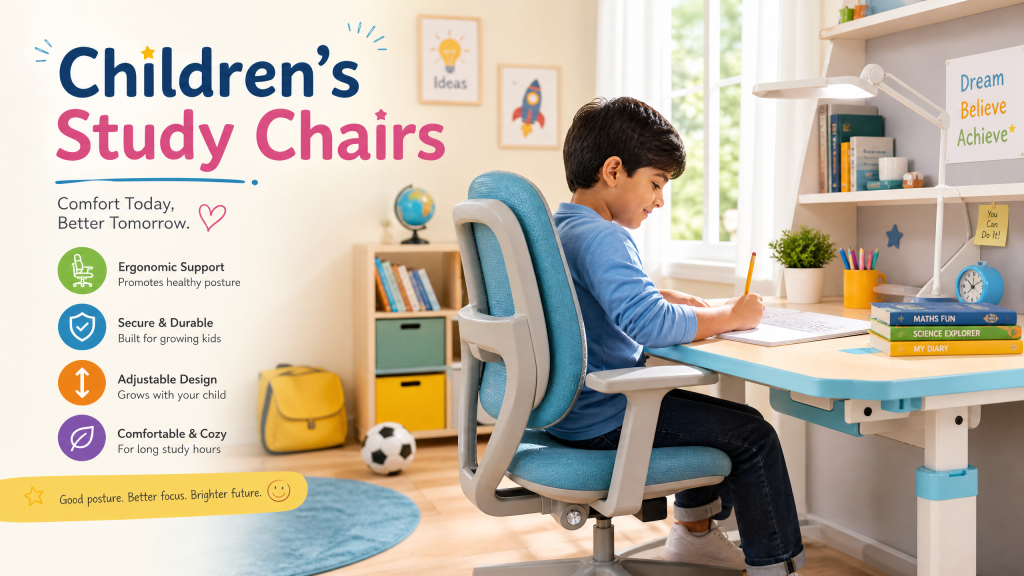
The most important dimension to get right for a child’s study chair is seat height relative to their desk height. As with adult seating, the goal is to have the child’s feet resting flat on the floor with their thighs approximately parallel to the ground and their elbows close to desk height when their arms hang naturally. Children grow rapidly, so an adjustable chair with a wide seat height range provides significantly better long-term value than a fixed-height chair, ensuring it adapts as they grow. A gas lift mechanism is ideal for easy adjustment.
Seat depth is equally important for children’s chairs for the same reasons it matters in adult chairs. The seat should not be so deep that a child cannot sit with their back against the backrest without their knees being compressed. Many adult chairs have seat depths of seventeen to twenty inches, which is far too deep for most children. Look for children’s ergonomic chairs with seat depths in the twelve to sixteen inch range, which can often be adjusted to accommodate different age and body sizes. Proper seat depth ensures full back support and prevents pressure on the back of the knees.
When assessing the fit of a children’s desk chair, consider the following:
- Seat Height: Feet flat on the floor, knees at a 90-degree angle. If feet don’t reach, a footrest is essential.
- Seat Depth: Two to three fingers should fit between the edge of the seat and the back of your child’s knees when their back is against the backrest.
- Armrests (Optional but Recommended): Should allow shoulders to remain relaxed and elbows to be supported at approximately desk height, without restricting movement or causing shrugging. Adjustable armrests are a plus.
- Backrest Height: Should support the entire back, ideally up to the shoulder blades for younger children, and higher for older children and teens.
Lumbar Support for Growing Spines
Even in children’s chairs, lumbar support is important and often overlooked. A child sitting without proper lumbar support will tend to slouch, flattening their lumbar curve in exactly the same way that adults do. This can lead to discomfort and contribute to poor posture. Some high-quality children’s ergonomic chairs include adjustable lumbar support features; in others, a small lumbar cushion appropriately sized for a child can provide similar benefits. The key is to provide support where the natural curve of the lower back is located.
The lumbar support should be positioned to support the inward curve of the lower back without pushing the child forward away from the backrest. This position varies by age and body size, which is another strong argument for chairs with adjustable lumbar support rather than fixed designs. Investing in a chair with thoughtful spinal support helps maintain the natural ‘S’ curve of the spine, reducing strain and promoting healthy development.
Movement and Engagement: The Active Sitting Approach
Research in educational psychology and child development has demonstrated that children, particularly younger children, have a genuine physical need for movement that cannot be fully suppressed without negative consequences for their attention, mood, and learning. Chairs that allow some degree of movement — gentle rocking, slight swiveling, or active sitting — may actually support rather than distract from learning for many children. This dynamic engagement can help channel restless energy, leading to improved focus and reduced fidgeting.
Active sitting stools and balance chairs, which require the sitter to maintain balance through subtle postural adjustments, have shown promise in some research as supports for children with attention difficulties. The gentle, continuous micro-movements required to maintain balance on these seats may help children channel restless energy in a way that supports rather than disrupts focus. These chairs encourage core strength and proprioception. However, these designs work better for some children than others, and it may be worth trying before committing to this approach. For more conventional adjustable chairs, allowing small movements like swiveling or rocking can still be beneficial.
Material, Durability, and Safety Standards
When selecting a children’s study chair, the materials and overall construction quality are paramount. Children’s furniture often endures more wear and tear than adult furniture, so durability is key. Look for chairs made from sturdy, high-quality materials that can withstand daily use. Common materials include robust plastics, metal frames, and durable fabrics.
- Non-toxic Materials: Ensure all materials, including fabrics, foams, and plastics, are certified non-toxic and free from harmful chemicals (e.g., lead, phthalates, formaldehyde). Certifications like GREENGUARD Gold can provide assurance.
- Easy to Clean: Spills and messes are inevitable with children. Opt for chairs with easy-to-clean surfaces, such as wipeable vinyl, stain-resistant fabrics, or removable, machine-washable covers.
- Safety Certifications: Prioritize chairs that meet relevant safety standards, such as those from the Business and Institutional Furniture Manufacturers Association (BIFMA) for general office furniture, or specific children’s furniture safety standards like EN 1729 (European Standard for Educational Furniture). These certifications ensure the chair is stable, durable, and free from pinch points or sharp edges.
- Stable Base: A wide, stable base (usually a 5-star base with casters) is crucial to prevent tipping, especially if your child tends to move around a lot while seated. Locking casters can also be a useful feature for added stability when needed.
The Importance of Desk Height and Setup
A child’s study chair, no matter how ergonomic, cannot provide optimal support if it’s not paired with a correctly sized desk. The chair and desk must work together in harmony to create an ergonomic workstation. The ideal setup follows the “ergonomic triangle” principle: feet flat on the floor, thighs parallel to the ground, and elbows resting comfortably on the desk surface at a 90-degree angle. This setup minimizes strain on the back, neck, and shoulders.
- Adjustable Desks: While not always feasible, an adjustable-height desk is the ultimate solution for growing children, allowing the desk surface to be precisely matched to the chair height as your child grows.
- Monitor Placement: If using a computer, the top of the screen should be at or slightly below eye level, and at arm’s length (about 20-28 inches) from your child’s face. This prevents neck strain and promotes healthy head posture. Consider monitor risers if needed.
- Keyboard and Mouse: Should be positioned close to the body to avoid reaching, keeping wrists straight and relaxed. Ergonomic keyboards and mice designed for smaller hands can be beneficial.
Beyond the Chair: Creating an Ergonomic Study Environment
The study chair is a critical component, but a truly supportive learning environment encompasses more than just seating. Creating an overall ergonomic and inviting space can significantly enhance your child’s ability to focus, learn, and maintain healthy habits.
- Proper Lighting: Ensure adequate, glare-free lighting. Natural light is best, supplemented by a task lamp that illuminates the workspace without creating harsh shadows or reflections on screens.
- Organization and Clutter-Free Space: A tidy desk and surrounding area reduce distractions and promote a sense of calm. Utilize shelves, drawers, and organizers to keep study materials neatly stored but easily accessible.
- Regular Breaks: Encourage your child to take short breaks every 30-45 minutes to stand up, stretch, and move around. This combats sedentary behavior and improves circulation and focus.
- Personalization: While maintaining an ergonomic setup, allow your child to personalize their study space with items that inspire them, making it a place they enjoy being.
Design and Aesthetics: Making Ergonomics Appealing to Children
While functionality and ergonomics are paramount, the visual appeal of a study chair also plays a significant role in encouraging children to use it. A chair that integrates well with their room’s decor and reflects their personality is more likely to be embraced.
- Color and Style: Children’s ergonomic chairs come in a wide array of colors and designs. Involve your child in the selection process, allowing them to choose a color or style they like, within the ergonomic parameters you’ve established.
- Integration with Room Decor: Consider how the chair fits into the overall theme and color scheme of your child’s bedroom or study area. A harmonious environment can be more conducive to learning.
- “Kid-Friendly” Features: Some chairs include playful elements or unique designs that appeal specifically to children, without compromising on ergonomic support. This makes the chair an exciting tool for learning, rather than just a piece of furniture.
When to Invest in a New or Upgraded Study Chair
Children grow quickly, and their needs evolve. Knowing when it’s time to upgrade or replace your child’s study chair is important to ensure continuous ergonomic support.
- Growth Spurts: If your child has outgrown the chair’s adjustment range (e.g., their feet are dangling even at the lowest setting, or their knees are compressed by the seat depth at its maximum adjustment), it’s time for a larger chair.
- Signs of Discomfort: If your child frequently complains of back, neck, or shoulder pain after sitting, or fidgets excessively, their chair might no longer be providing adequate support.
- Worn-Out or Damaged Chair: A chair with broken or non-functional adjustment mechanisms, unstable parts, or significantly worn padding may no longer be safe or effective.
- Increased Study Time: As children get older and academic demands increase, they spend more time seated. Upgrading to a more advanced ergonomic model may be beneficial to support longer periods of study.
Maintenance and Care for Your Child’s Study Chair
Proper maintenance ensures the longevity and continued ergonomic performance of your child’s study chair. Regular care can extend its lifespan and keep it functioning safely and effectively.
- Regular Cleaning: Follow the manufacturer’s instructions for cleaning specific materials. Spot clean spills immediately. For general cleaning, wipe down surfaces with a damp cloth and mild soap. Vacuum fabric chairs periodically.
- Check for Loose Parts: Periodically inspect all screws, bolts, and connections to ensure they are tight. Loose components can compromise safety and stability.
- Lubricate Moving Parts: If the chair has casters or a gas lift, ensure they are clean and operating smoothly. Casters might need occasional cleaning to remove hair or debris.
- Educate Your Child: Teach your child how to properly use and adjust their chair, and explain the importance of not misusing it (e.g., standing on it, rocking it excessively).
Frequently Asked Questions About Children’s Study Chairs
Q: What is the ideal age to get an ergonomic study chair for my child?
A: There isn’t a single “ideal” age, as it depends on when your child begins spending significant time at a desk for homework, drawing, or screen use. Generally, once a child can sit independently and consistently for periods of 15-20 minutes or more (often around ages 4-6), and starts formal schooling, a properly sized and adjustable ergonomic chair becomes beneficial. Early adoption helps foster good posture habits from the start.
Q: Can I adapt an adult chair for my child with cushions or footrests?
A: While temporary solutions like cushions and footrests can help, an adult chair is fundamentally designed for adult proportions. It typically has a seat depth that’s too deep, a backrest that doesn’t align correctly with a child’s lumbar curve, and often non-adjustable armrests that are too high. These adaptations rarely provide the comprehensive, natural support of a chair specifically designed for children, which can lead to continued postural issues.
Q: How often should I adjust my child’s study chair?
A: The chair should be adjusted whenever you notice a change in your child’s posture or comfort, or after a growth spurt. Children grow rapidly, so check the fit every few months. Ensure their feet are still flat on the floor, their knees are at a 90-degree angle, and their elbows are comfortably at desk height.
Q: Are active sitting chairs suitable for all children?
A: Active sitting chairs can be excellent for many children, particularly those who struggle with fidgeting or attention, as they allow for micro-movements that can enhance focus. However, they are not suitable for all children. Some children might find them distracting, or they may not provide sufficient stability for tasks requiring fine motor control. It’s often best to let your child try one out before committing to ensure it meets their specific needs and preferences.
Q: What’s the difference between a children’s gaming chair and a study chair?
A: While some children’s gaming chairs offer ergonomic features, their primary design focus is often on aggressive aesthetics and comfort for gaming postures (which can sometimes involve leaning back significantly). A dedicated children’s study chair, on the other hand, prioritizes features that support upright, active sitting postures conducive to reading, writing, and concentrated learning. While there can be overlap, a study chair is typically optimized for the demands of academic work and long-term spinal health.
Q: How do I know if my child’s study chair fits correctly?
A: Use this quick checklist:
- Feet flat on the floor (or on a stable footrest), with knees at a 90-degree angle.
- Thighs parallel to the floor, with a small gap (2-3 fingers) between the seat edge and the back of the knees.
- Lower back supported by the lumbar curve of the backrest.
- Shoulders relaxed, with elbows comfortably at desk height when typing or writing.
- Eyes level with the top third of the computer screen (if applicable).
If any of these points are not met, adjust the chair or consider if it’s the right size for your child.
Our Children’s Study Chair Collection
We carry a thoughtfully selected range of children’s study chairs designed by pediatric ergonomics specialists and sized appropriately for different age groups. All of our children’s ergonomic chairs meet relevant safety standards, are made from non-toxic materials, and are built for durability and adjustability. Our knowledgeable team can help you navigate the options and select the right high-quality chair for your child’s age, body size, and specific learning needs, ensuring it promotes healthy posture and focused learning. Invest in your child’s posture, comfort, and academic success today for a healthier and more productive tomorrow.
