Post
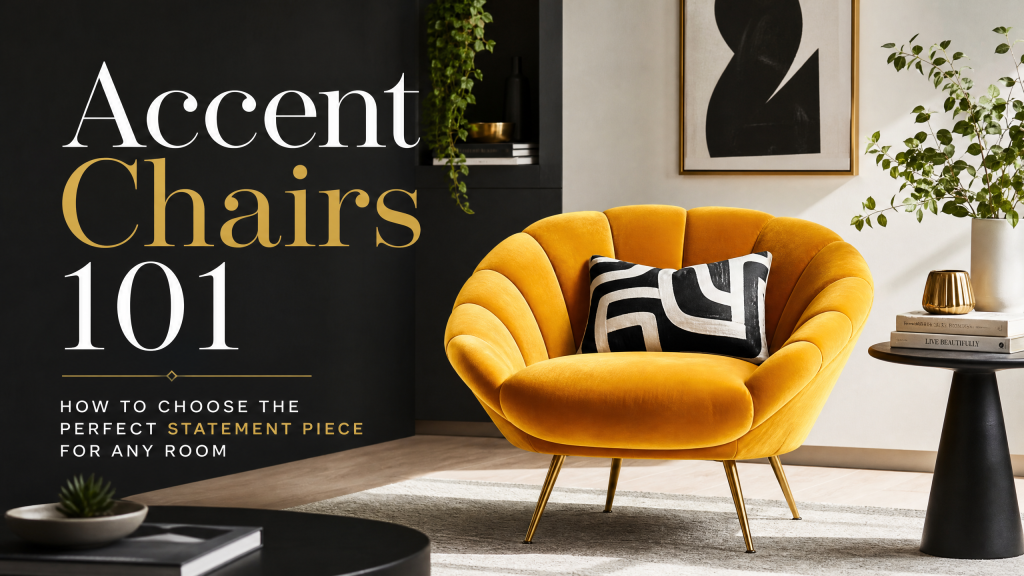
Accent Chairs 101: How to Choose the Perfect Statement Piece for Any Room
Jun
Accent Chairs 101: How to Choose the Perfect Statement Piece for Any Room
An accent chair is one of the most versatile and impactful pieces of furniture you can add to any room. Done right, a single accent chair can transform an ordinary space into something extraordinary — adding visual interest, personality, and a practical seating option all at once. But with so many styles, shapes, materials, and colors available, choosing the right accent chair can feel overwhelming. This guide will walk you through everything you need to know to select the perfect statement piece for any room in your home.
What Is an Accent Chair?
An accent chair is, at its core, any chair that is intended to stand apart from the primary seating arrangement in a room. Unlike sofas and matching armchair sets, accent chairs are meant to catch the eye and add visual contrast. They can complement the existing decor by pulling out a key color or element from the room’s design, or they can provide a deliberate contrast that creates visual tension and interest.
Accent chairs appear in virtually every room in the home. In living rooms, they might flank a fireplace or sit opposite a sofa, defining a conversation area. In bedrooms, they often occupy a corner near a window, creating a reading nook or a cozy spot for contemplation. In home offices, an accent chair can add comfort and style to an otherwise purely functional space, offering a place for clients or a quick break. In entryways, they provide a convenient perch for putting on shoes and a welcoming first impression. Beyond these, they can also serve in dining rooms for a pop of color at the head of a table, or even in large bathrooms for a touch of luxury.
Placement and Functionality
Understanding where and how your accent chair will be used is crucial for making the right choice. A chair meant for occasional use in an entryway can differ greatly from one intended for daily reading in a living room. Consider the flow of traffic in the room and how the chair will interact with other furniture pieces. An accent chair can serve multiple functions:
- Visual Anchor: Draws the eye and grounds a space.
- Conversation Starter: Its unique design can spark interest.
- Reading Nook: Paired with a small table and lamp, it creates a cozy retreat.
- Extra Seating: Essential for entertaining guests, offering flexible seating options.
- Room Divider: Can subtly separate different zones within an open-plan space.
- Stylistic Bridge: Helps connect disparate design elements in a cohesive way.
Think about the desired mood. A low, deep chair invites lounging, while an upright, elegant chair encourages more formal interaction. Mapping out the space with painter’s tape can help visualize the chair’s footprint and ensure it doesn’t obstruct pathways or overwhelm the room.
Defining Your Style
Before you start shopping, spend some time thinking about the overall aesthetic of the room where the chair will live. Is it modern and minimalist? Traditional and formal? Eclectic and bohemian? Coastal and relaxed? The style of your accent chair should either complement or deliberately contrast with the room’s existing aesthetic — but it should do so intentionally, not randomly.
Some popular accent chair styles that consistently work well across different room settings include the wingback chair, which adds a sense of classic formality and architectural presence; the barrel chair, which offers a rounded, cozy silhouette that feels both modern and inviting; the slipper chair, which is compact and versatile enough to fit into almost any space; and the club chair, which is deep, comfortable, and radiates sophisticated relaxation. To further refine your search, consider:
- Mid-Century Modern: Clean lines, organic shapes, often features exposed wood or metal legs, and upholstery in natural tones or pops of retro color.
- Scandinavian: Minimalist, functional, light wood tones, often with simple fabric upholstery and a focus on comfort and hygge.
- Industrial: Combines raw elements like metal and unfinished wood, often with leather or distressed fabric upholstery, reflecting a utilitarian aesthetic.
- Farmhouse: Rustic charm with comfortable, often slipcovered fabrics, distressed wood frames, and a cozy, inviting feel.
- Bohemian/Eclectic: Mixes patterns, textures, and global influences. Can feature rattan, macrame, vibrant colors, or intricate carvings.
Each style brings its own unique character, allowing you to either reinforce the dominant aesthetic or introduce an intriguing counterpoint.
Choosing the Right Size
Scale is one of the most common mistakes people make when selecting accent chairs. A chair that is too large for the space it occupies will feel overwhelming and reduce the sense of openness in a room. Conversely, a chair that is too small can look insignificant and out of place.
As a general rule, measure the space where you intend to place the chair before shopping and bring those measurements with you or keep them handy when browsing online. Allow at least eighteen to twenty-four inches of clearance around the chair for comfortable movement. In smaller rooms, look for chairs with higher legs that allow light and visual space to flow beneath them, creating a sense of airiness. Also, consider the height of your existing furniture. An accent chair shouldn’t dramatically tower over or be dwarfed by an adjacent sofa or table. Aim for visual harmony, ensuring the chair feels appropriately scaled within the room’s overall proportions.
Color and Pattern Strategies
Color choice is perhaps the most exciting aspect of selecting an accent chair, and it is also where you have the most opportunity to make a bold statement. One of the most effective approaches is to choose an accent chair in a color that appears elsewhere in the room but is not dominant — pulling it out and amplifying it creates visual harmony while adding depth. Alternatively, a completely contrasting color can inject vibrancy and serve as a dramatic focal point.
Pattern is another powerful tool. A patterned accent chair in an otherwise neutral room immediately becomes a focal point. Conversely, in a room with multiple patterns (perhaps on a rug or curtains), a solid-colored accent chair in a strong, complementary hue can provide visual rest while still making a statement. When mixing patterns, vary their scale: pair a large-scale floral with a small geometric, ensuring there’s a dominant color that ties them together. The interplay of color and pattern can completely define the personality of your chosen accent chair.
Material Considerations
The upholstery material you choose for your accent chair affects both its appearance and its practicality. Velvet and silk create a luxurious, formal look but require more careful maintenance and are best suited for low-traffic areas. Natural linens and cottons offer a relaxed, casual feel and are generally easier to clean, making them versatile for various lifestyles. Leather and faux leather are incredibly durable, develop a beautiful patina over time, and are easy to wipe clean, making them excellent choices for homes with children or pets.
Consider the tactile experience as well. The way a fabric feels contributes to the overall sensory experience of the room. Rich, tactile materials like bouclé, chenille, and velvet add warmth and coziness, while smoother surfaces like leather or silk create a more sleek, refined atmosphere. Beyond upholstery, think about the chair’s frame material. Exposed wood (oak, walnut, teak) adds warmth and natural beauty, while metal frames (brass, chrome, matte black) can provide a modern or industrial edge. Performance fabrics, designed to resist stains and fading, are an excellent investment for busy households, combining aesthetics with ultimate practicality.
Ergonomics and Comfort
An accent chair isn’t just about looks; it should also offer a comfortable seating experience, especially if it’s intended for regular use. Before purchasing, if possible, sit in the chair to assess its comfort level. Key factors for ergonomic comfort include:
- Seat Depth: Ensure your back can rest against the backrest while your feet are flat on the floor (or comfortably supported).
- Seat Height: Should allow your knees to be at a 90-degree angle or slightly lower.
- Back Support: The backrest should comfortably support your lower and mid-back.
- Armrests: Consider if you prefer armrests, and if so, their height and padding. They offer support for getting up and provide a place to rest your arms.
- Cushion Firmness: Some prefer soft, sink-in cushions, while others prefer firmer support.
For a reading nook, a chair with good lumbar support and potentially a reclining feature would be ideal. For occasional seating, aesthetics might take precedence, but comfort should never be entirely overlooked.
Sustainability and Ethical Choices
As consumers become more conscious, the sustainability and ethical sourcing of furniture are increasingly important. When choosing an accent chair, consider brands that prioritize:
- Sustainable Materials: Look for chairs made from FSC-certified wood (Forest Stewardship Council), recycled metals, organic cotton, or hemp fabrics.
- Eco-Friendly Manufacturing: Inquire about manufacturing processes that minimize waste, conserve energy, and reduce chemical use.
- Durability: Investing in a well-made chair from quality materials means it will last longer, reducing the need for frequent replacements.
- Ethical Labor Practices: Support companies that ensure fair wages and safe working conditions for their employees.
- Non-Toxic Finishes: Choose chairs with low VOC (Volatile Organic Compound) finishes to ensure better indoor air quality.
Making an informed choice can contribute to both a beautiful home and a healthier planet.
Accessorizing Your Accent Chair
Once you’ve chosen the perfect accent chair, the right accessories can complete its look and enhance its functionality, transforming it into a true style vignette. A well-placed throw pillow can add an extra layer of comfort, a pop of complementary color, or introduce another texture or pattern. A cozy blanket draped over the arm invites relaxation. Pair your accent chair with a small, stylish side table to hold a book, a cup of coffee, or a decorative object. A floor lamp or table lamp next to the chair not only provides practical task lighting for reading but also adds ambient light and visual height to the arrangement. Even a small plant can bring life and freshness to the area around your accent chair, making it feel like a complete, inviting space.
Maintenance and Care Tips
Proper care can significantly extend the life and beauty of your accent chair. Always refer to the manufacturer’s specific care instructions, as methods can vary widely based on material. However, some general tips apply:
- Regular Vacuuming: Use a brush attachment to gently vacuum upholstery regularly to remove dust and debris, preventing it from embedding in the fabric.
- Spot Cleaning: Address spills immediately. Blot, don’t rub, with a clean white cloth. Use a mild, appropriate cleaning solution for the specific material. Test in an inconspicuous area first.
- Rotate Cushions: If applicable, flip and rotate seat and back cushions periodically to ensure even wear and maintain their shape.
- Protect from Sunlight: Direct sunlight can fade fabric and damage leather over time. Position your chair away from harsh sunbeams or use UV-filtering window treatments.
- Leather Care: Condition leather chairs every 6-12 months with a specialized leather conditioner to keep them supple and prevent cracking.
- Avoid Harsh Chemicals: Never use harsh chemical cleaners, as they can damage upholstery, finishes, and void warranties.
A little proactive care goes a long way in keeping your accent chair looking pristine for years to come.
Why Invest in an Accent Chair?
Investing in an accent chair is more than just buying another piece of furniture; it’s about adding character, versatility, and comfort to your home. It’s an opportunity to express your personal style, create functional zones, and enhance the overall aesthetic appeal of any room. An accent chair can be the missing link that ties your decor together, a splash of unexpected color, or a quiet corner for reflection. Its ability to transform a space with minimal effort makes it one of the most rewarding additions to any interior design project.
Frequently Asked Questions (FAQ)
- Q: What’s the difference between an armchair and an accent chair?
A: An armchair is primarily defined by having arms and is often part of a matching set (like with a sofa). An accent chair, while it can have arms, is specifically chosen for its unique design, color, or texture to stand out and make a statement, rather than just being a functional part of a larger seating arrangement. - Q: Can an accent chair be comfortable?
A: Absolutely! While many accent chairs prioritize aesthetics, there are countless comfortable options available. Look for chairs with good padding, supportive backrests, and appropriate seat depth for your body type, especially if you plan to use it for extended periods like reading or lounging. - Q: How many accent chairs should I have in a room?
A: This depends on the size and layout of the room, as well as its intended function. In a large living room, two accent chairs can create a balanced conversation area opposite a sofa. In smaller spaces, a single accent chair is often enough to make a statement without overwhelming the room. - Q: Should my accent chair match my sofa?
A: Not necessarily! In fact, an accent chair is often chosen precisely because it *doesn’t* perfectly match the sofa. It’s an opportunity to introduce contrasting colors, patterns, or textures that complement the room’s overall decor without being identical. Aim for coordination, not exact matching. - Q: Where is the best place to put an accent chair?
A: Popular spots include a corner to create a reading nook, flanking a fireplace, opposite a sofa to complete a conversation area, in a bedroom corner, or in an entryway. Consider traffic flow, light sources, and how it visually balances the room. - Q: How do I incorporate a bold accent chair into a neutral room?
A: A bold accent chair is perfect for a neutral room! It acts as a focal point. You can tie it into the room by repeating its color in smaller elements like throw pillows, artwork, or decorative objects, creating a cohesive yet vibrant look.
Making Your Final Decision
Our showroom features a carefully curated collection of accent chairs spanning a wide range of styles, sizes, and price points. Our design consultants are available to help you identify the perfect accent chair to transform any room in your home. Browse our collection online or visit our store today to see, touch, and sit in our selection firsthand.
“`
